

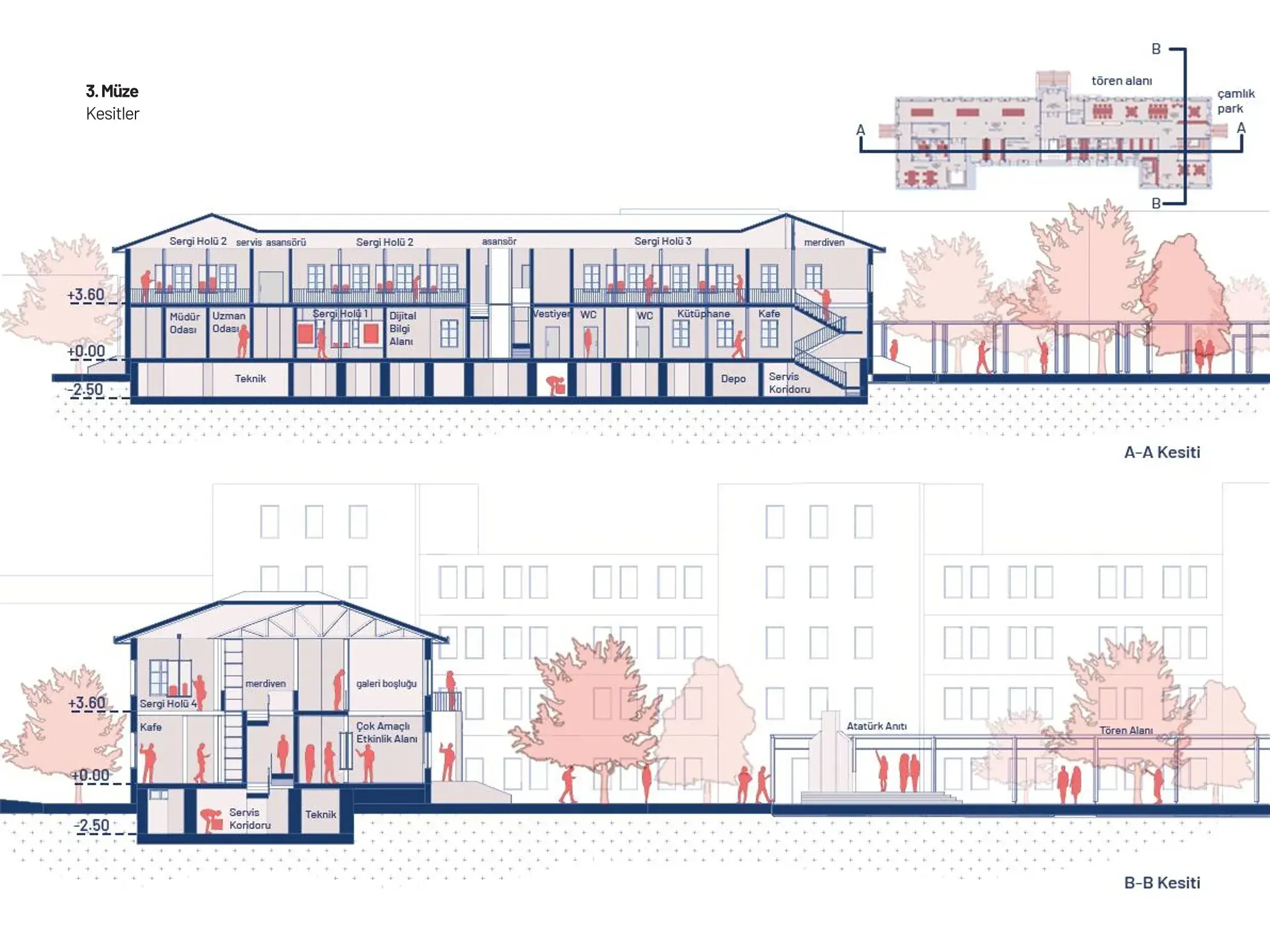
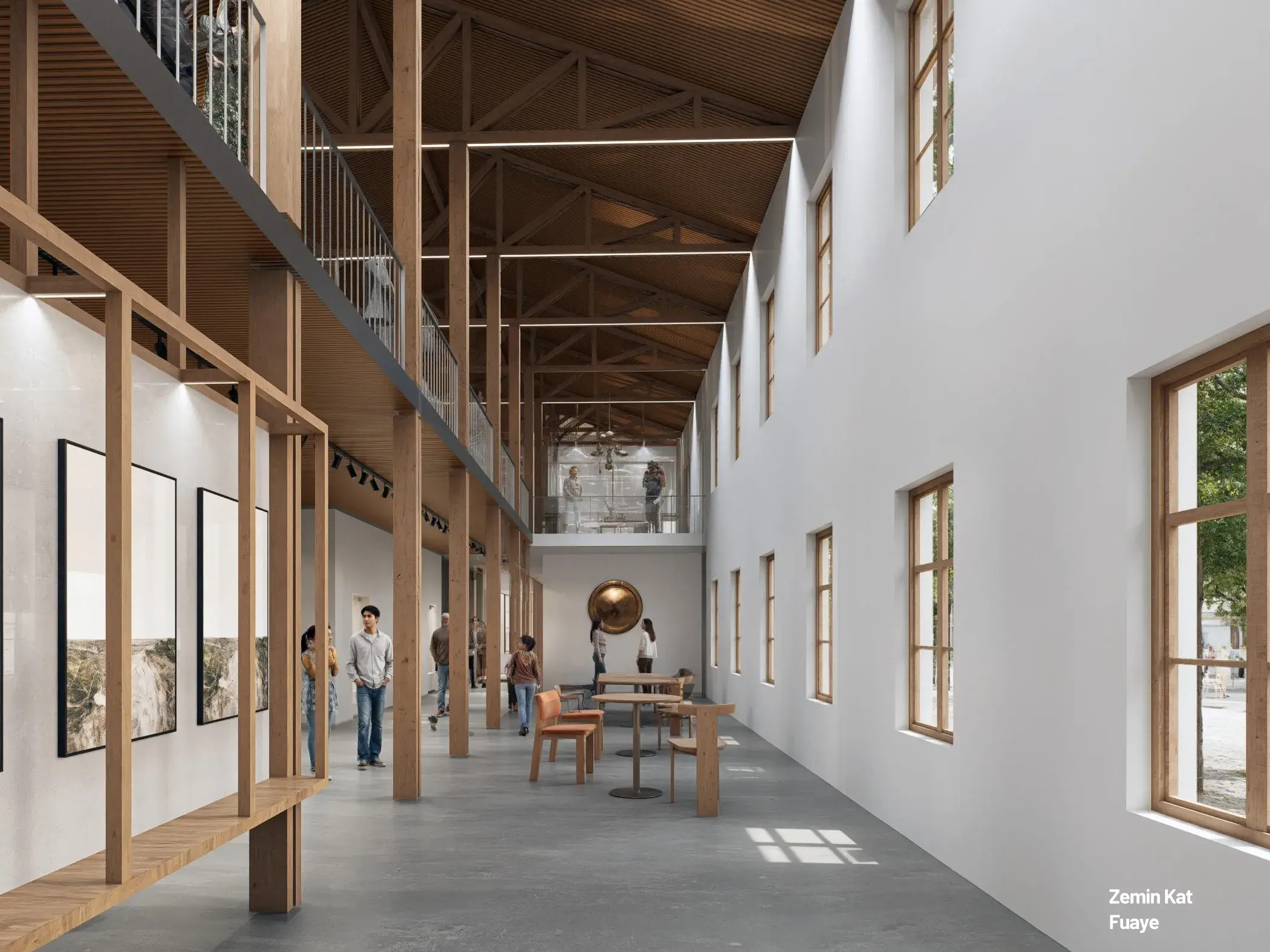
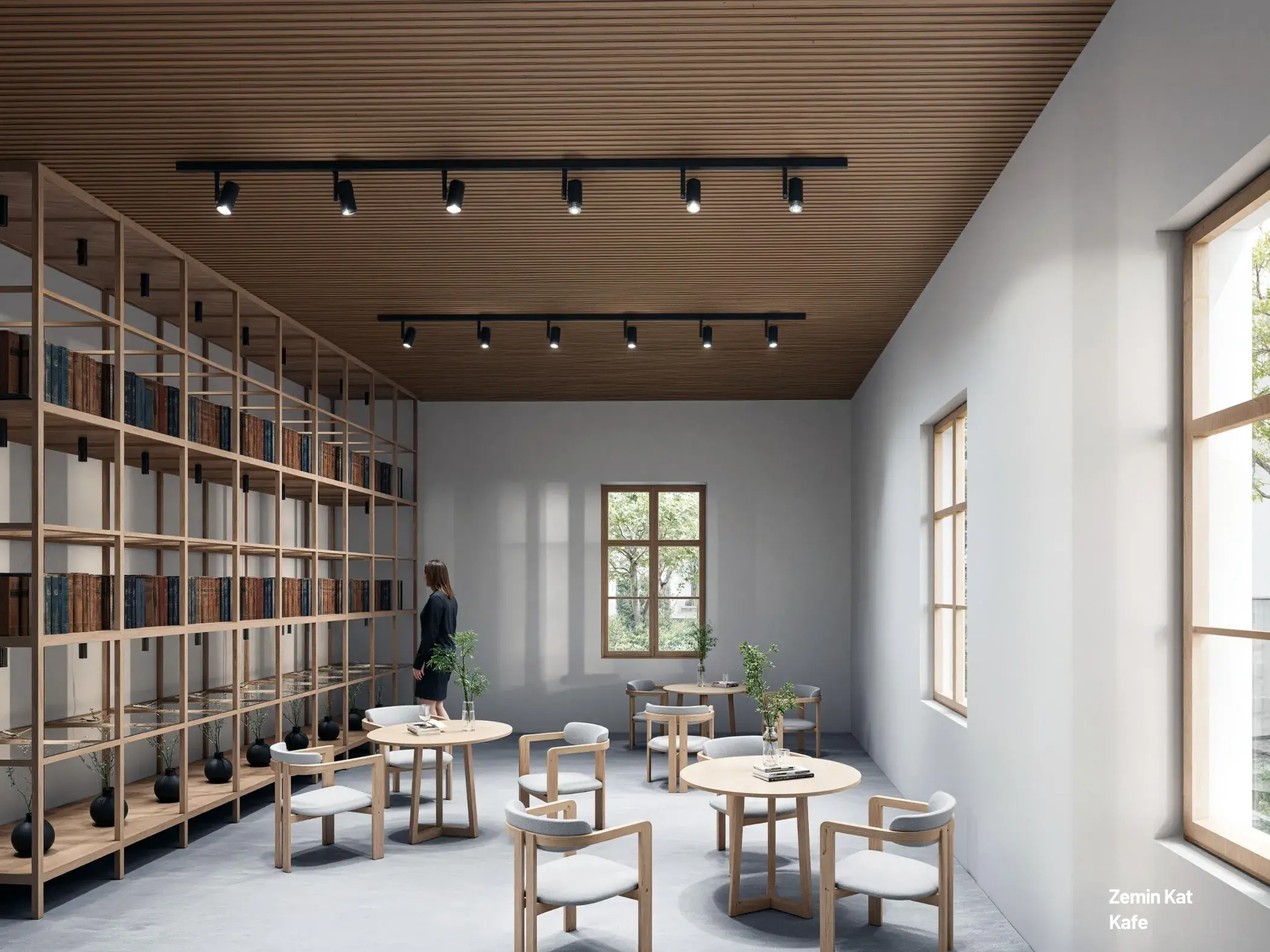
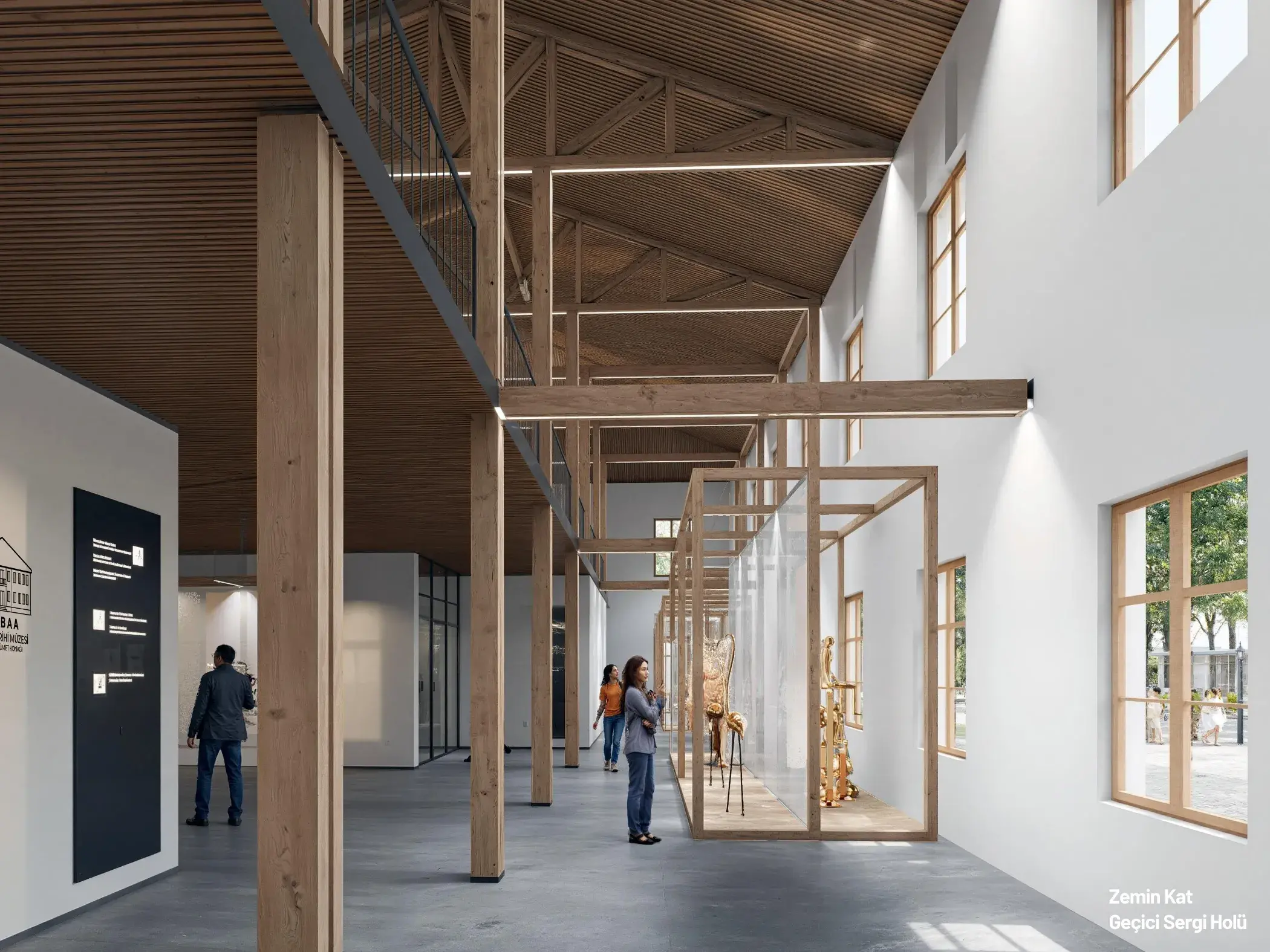
Erbaa City Museum & Republic Square
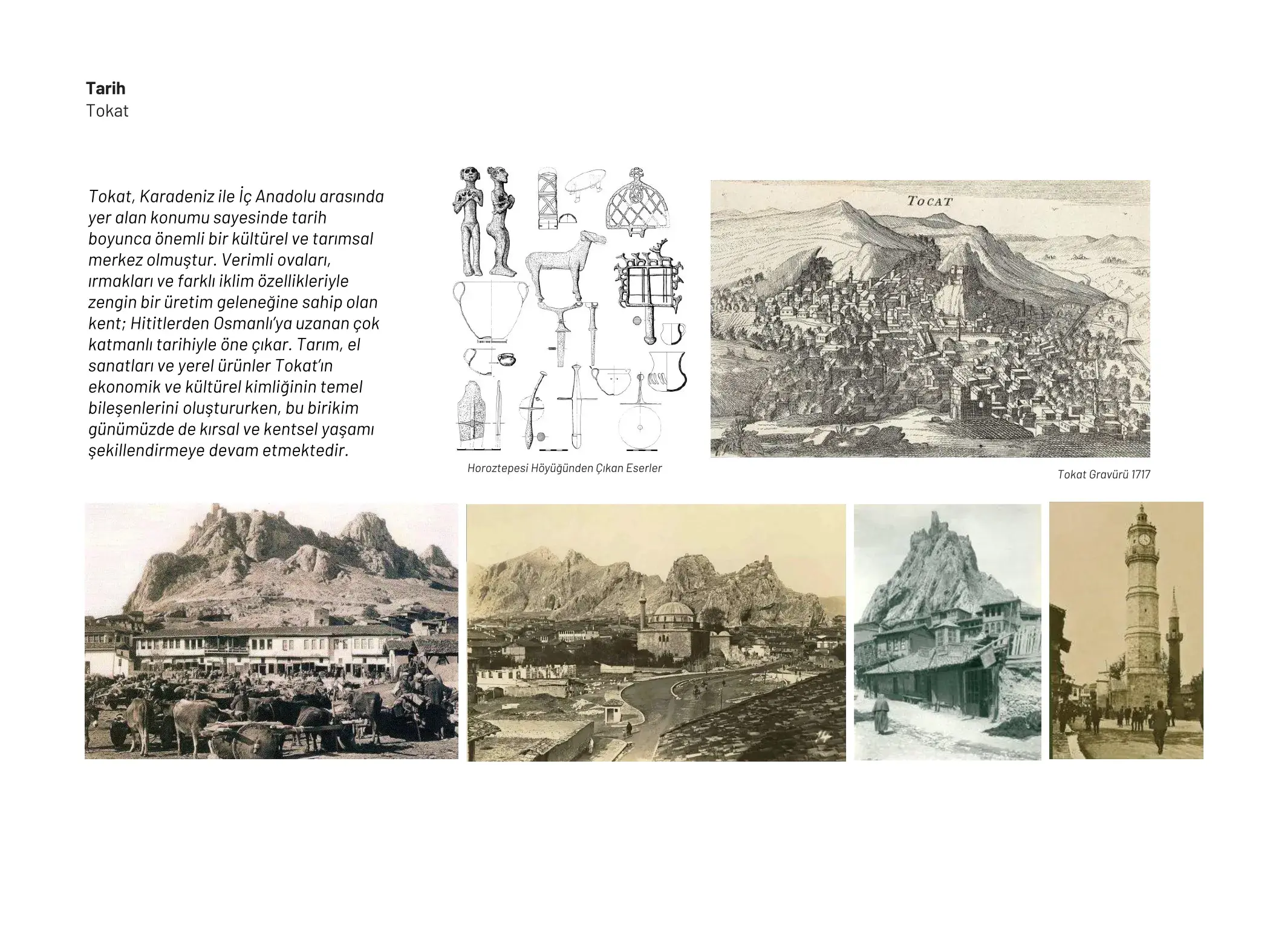
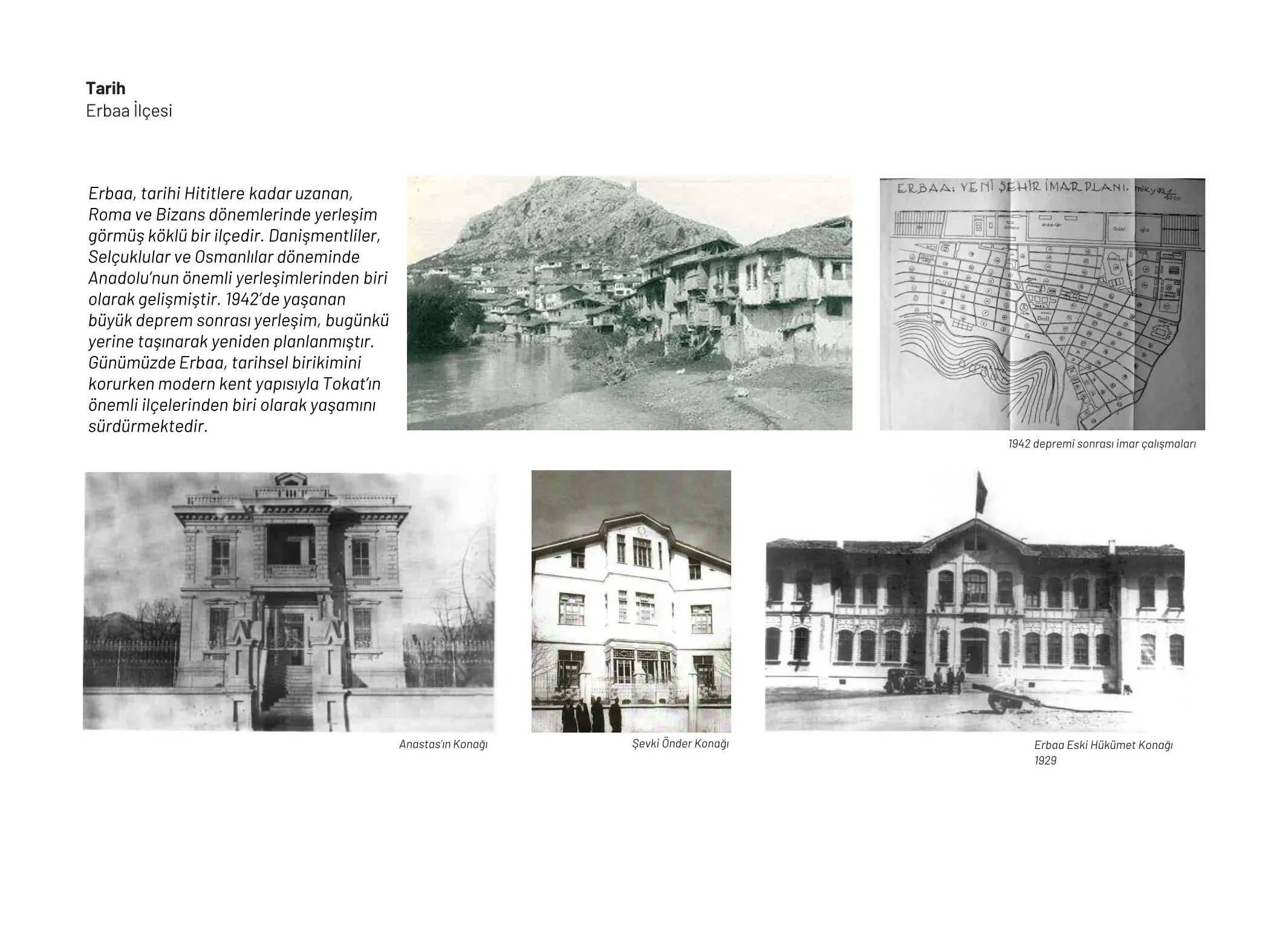
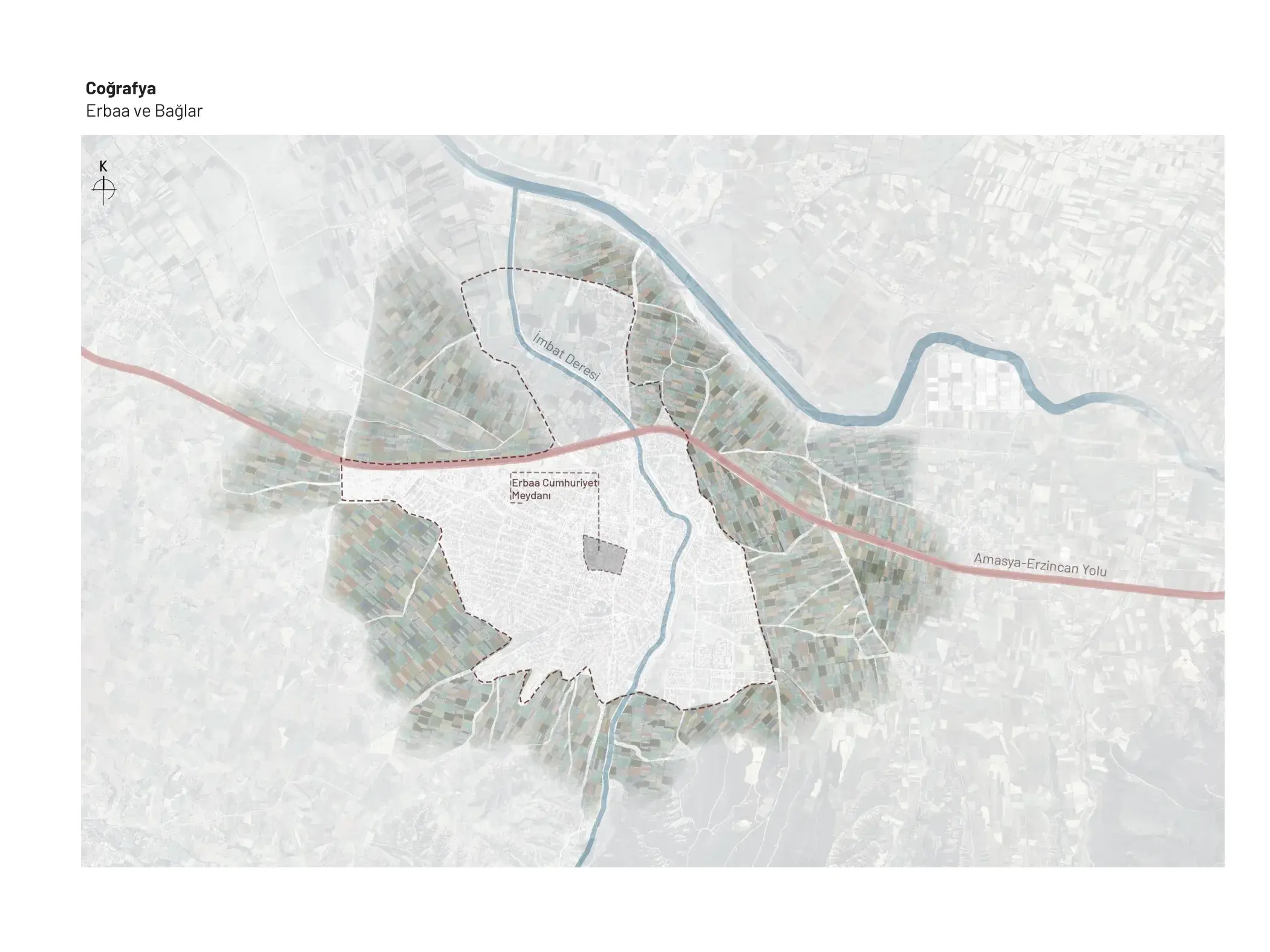
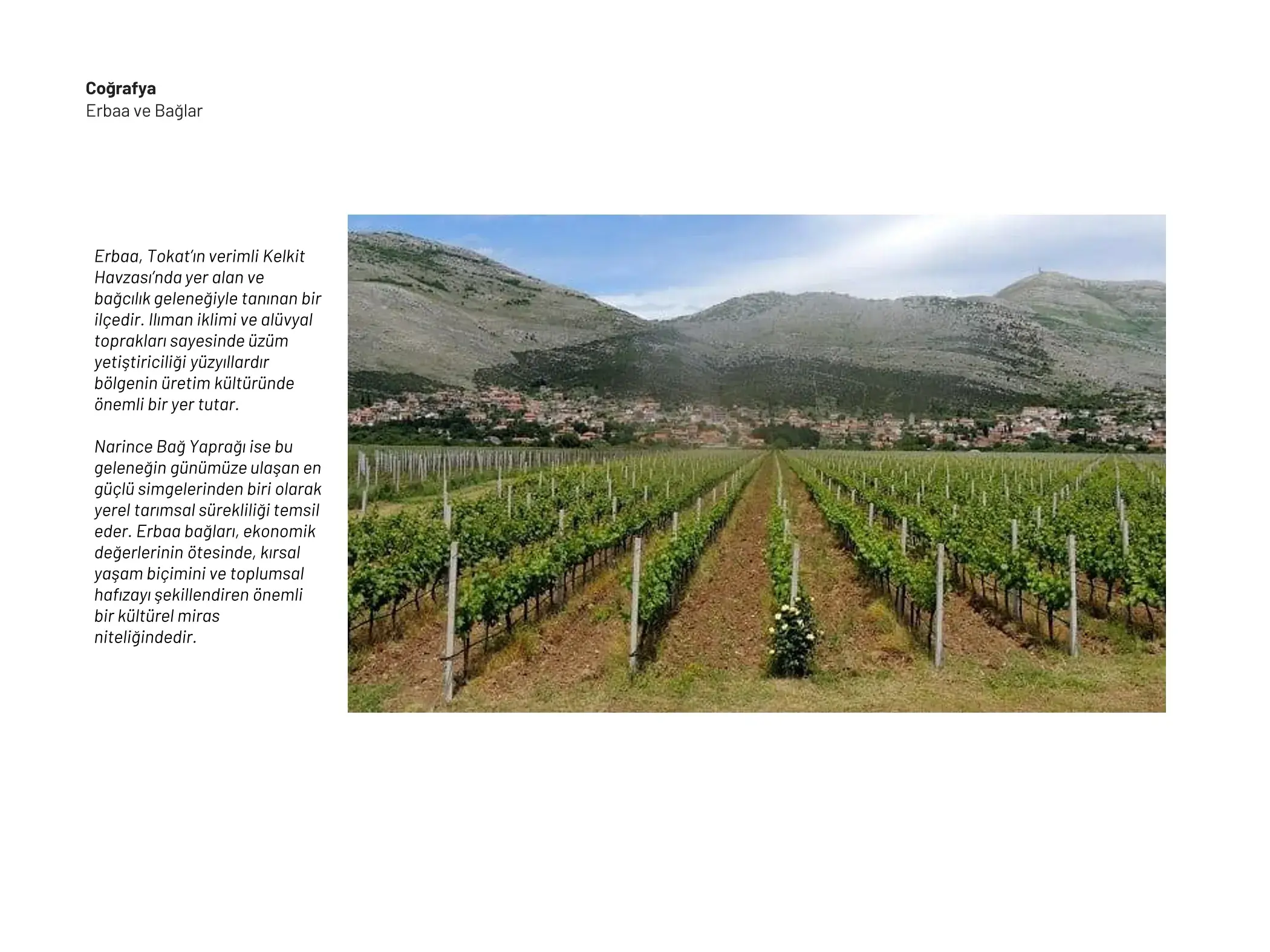
Tokat has historically developed as an important cultural and agricultural center due to its geographical position between the Black Sea and Central Anatolia regions. With its multilayered historical accumulation extending from the Hittites to the Ottoman Empire, fertile plains, and strong production culture, the city has become one of the significant settlements of Anatolia. Located within the Kelkit Basin, Erbaa is a deeply rooted settlement particularly distinguished by its viticulture tradition; its production culture, rural way of life, and collective memory have been shaped through vineyards and grape cultivation.
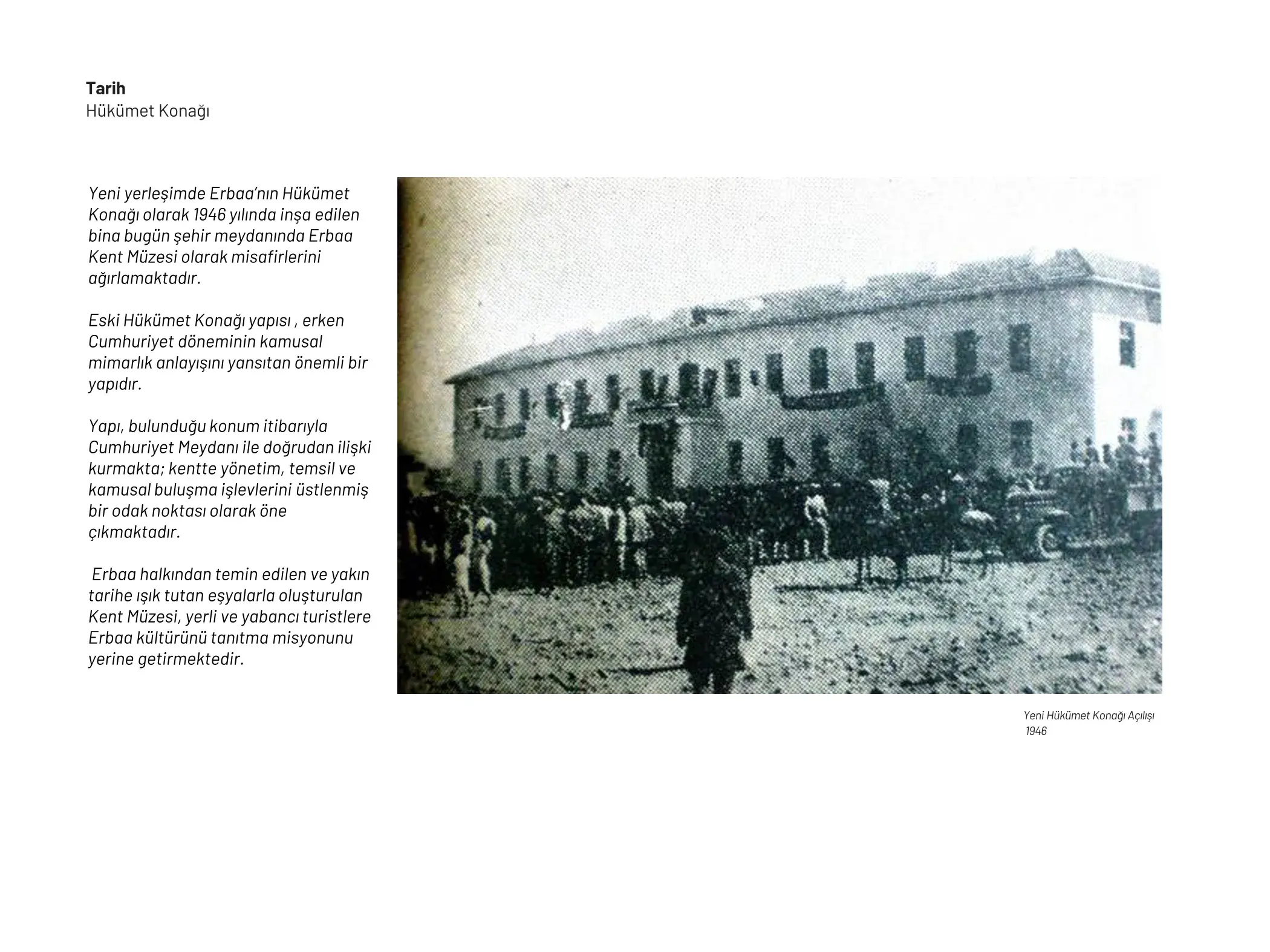
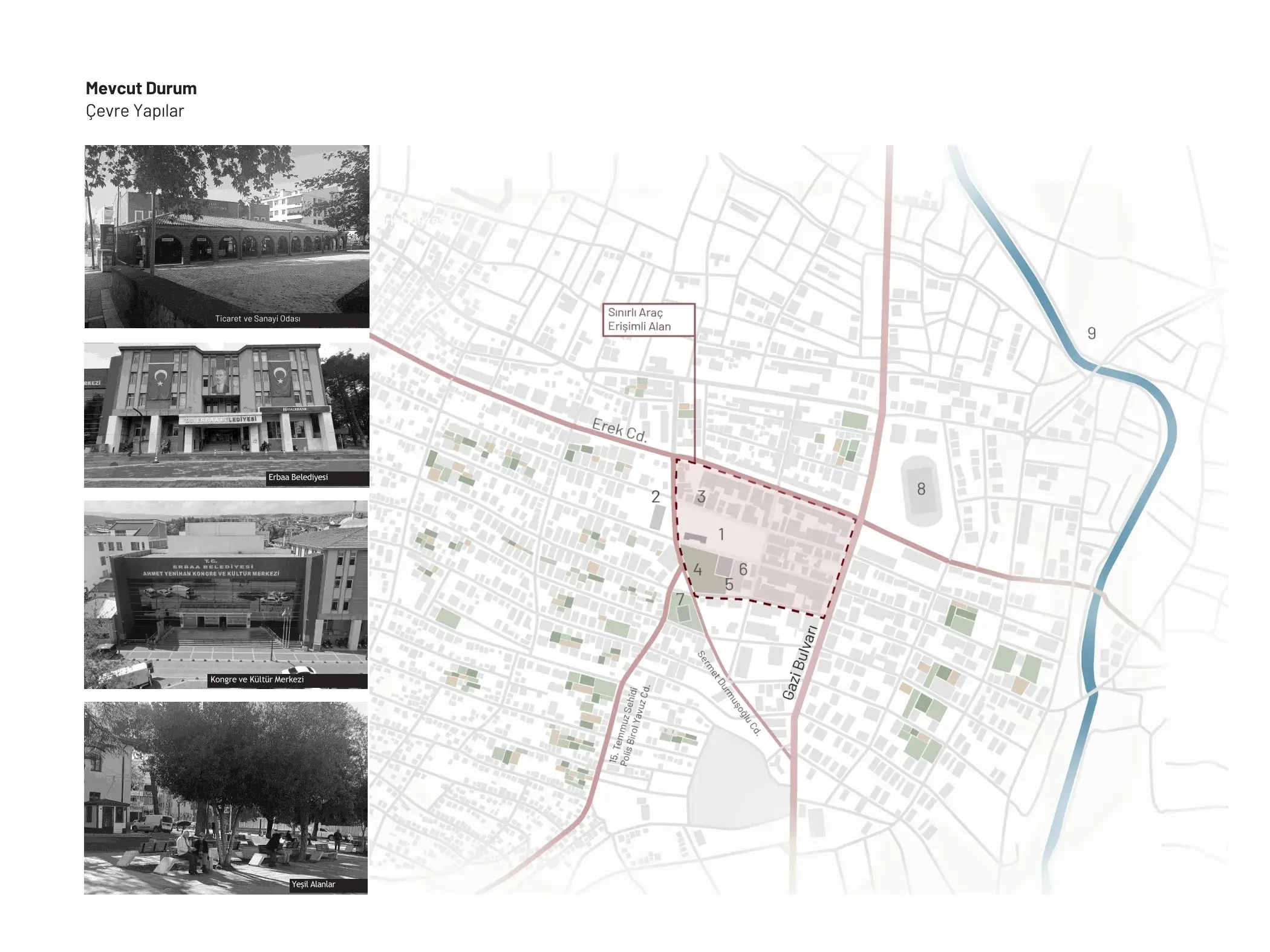
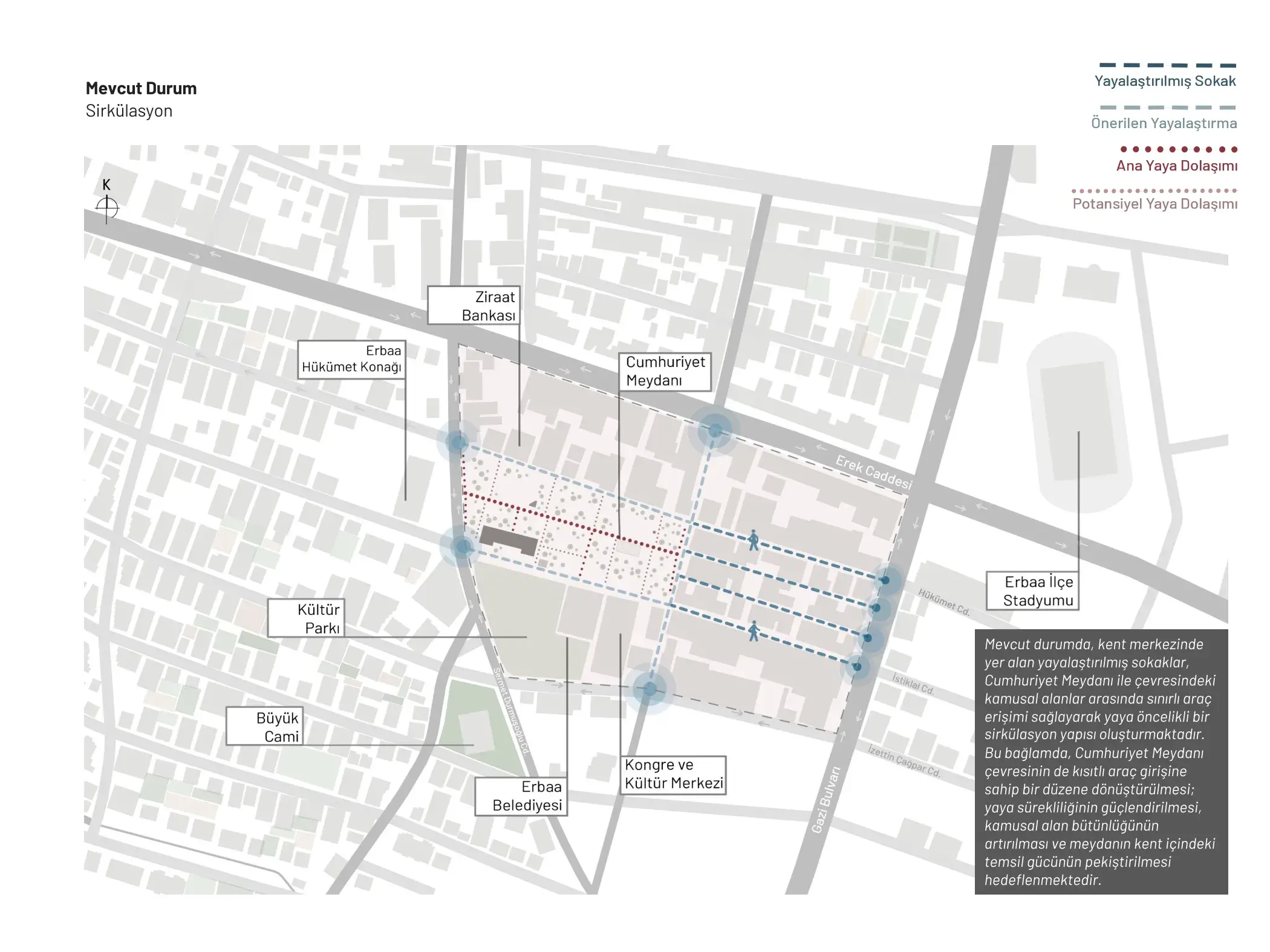
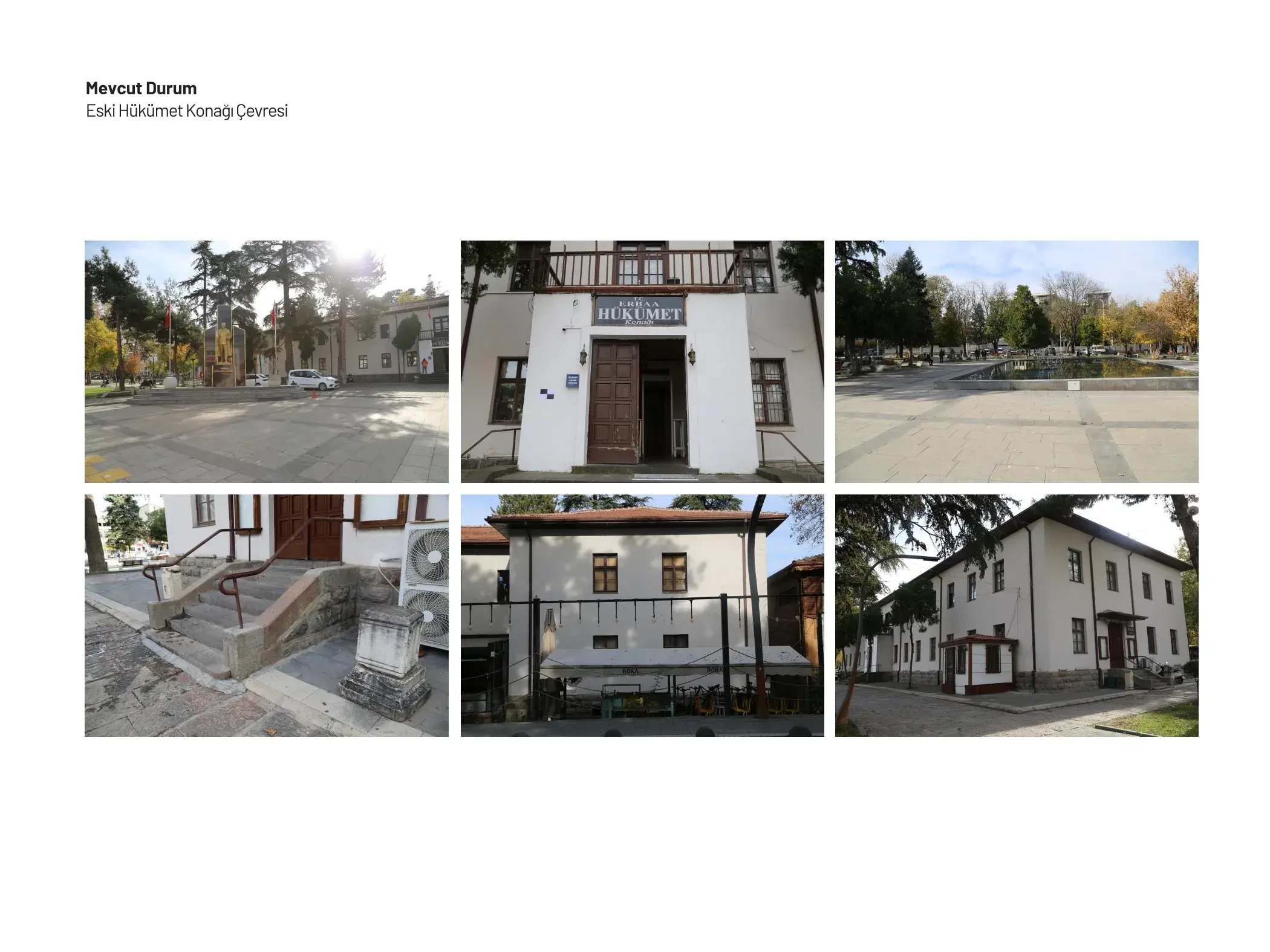
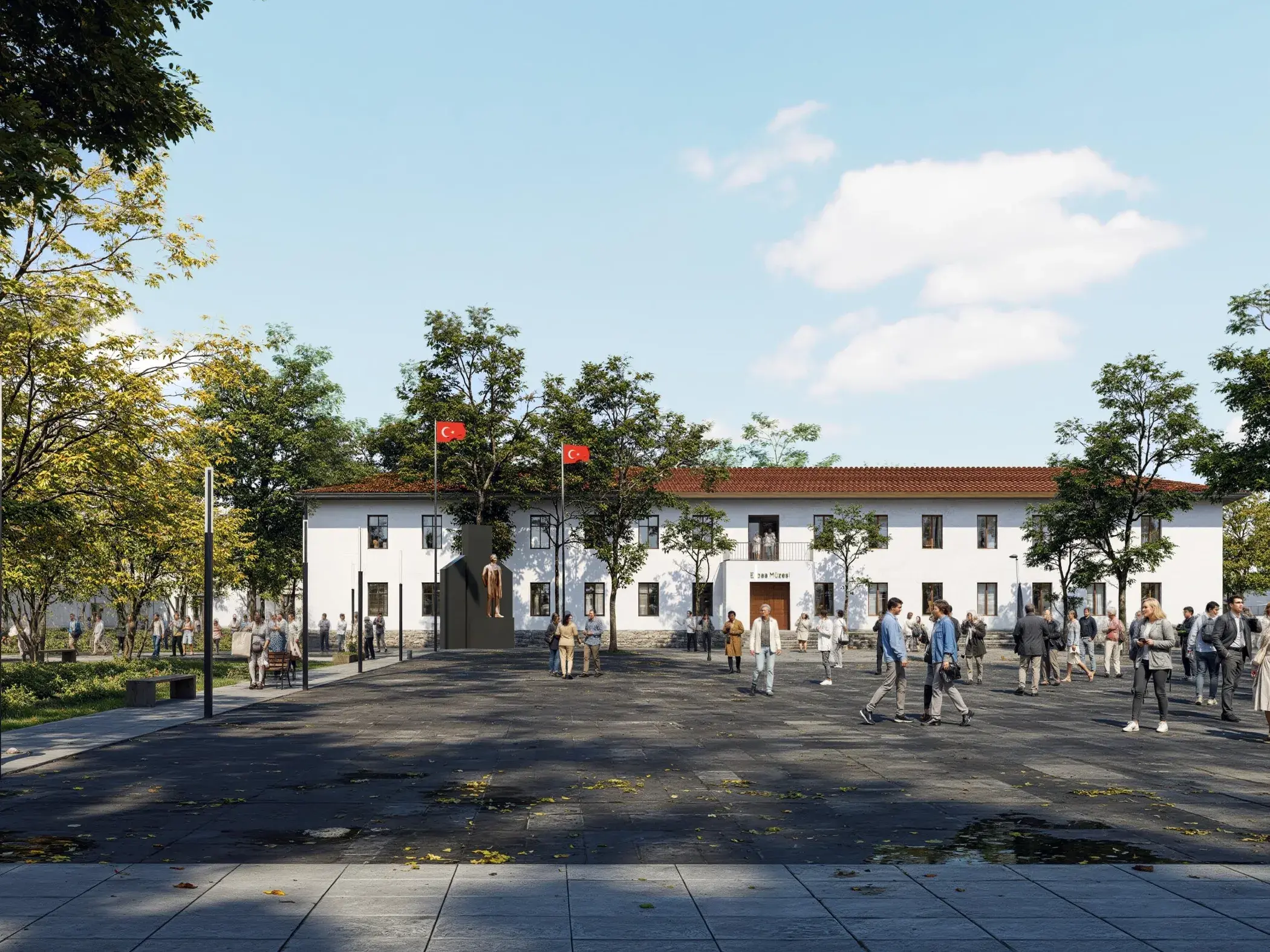
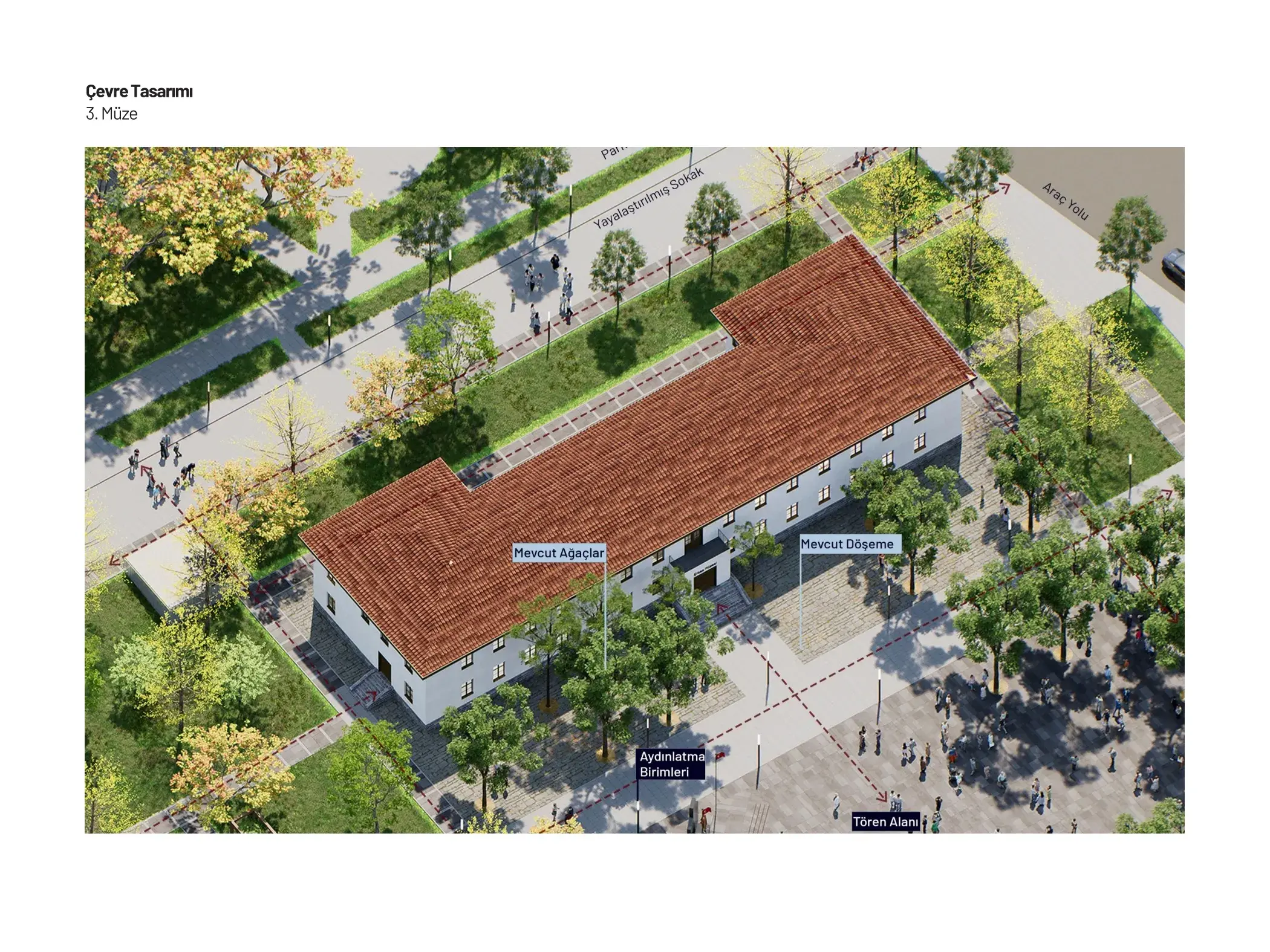
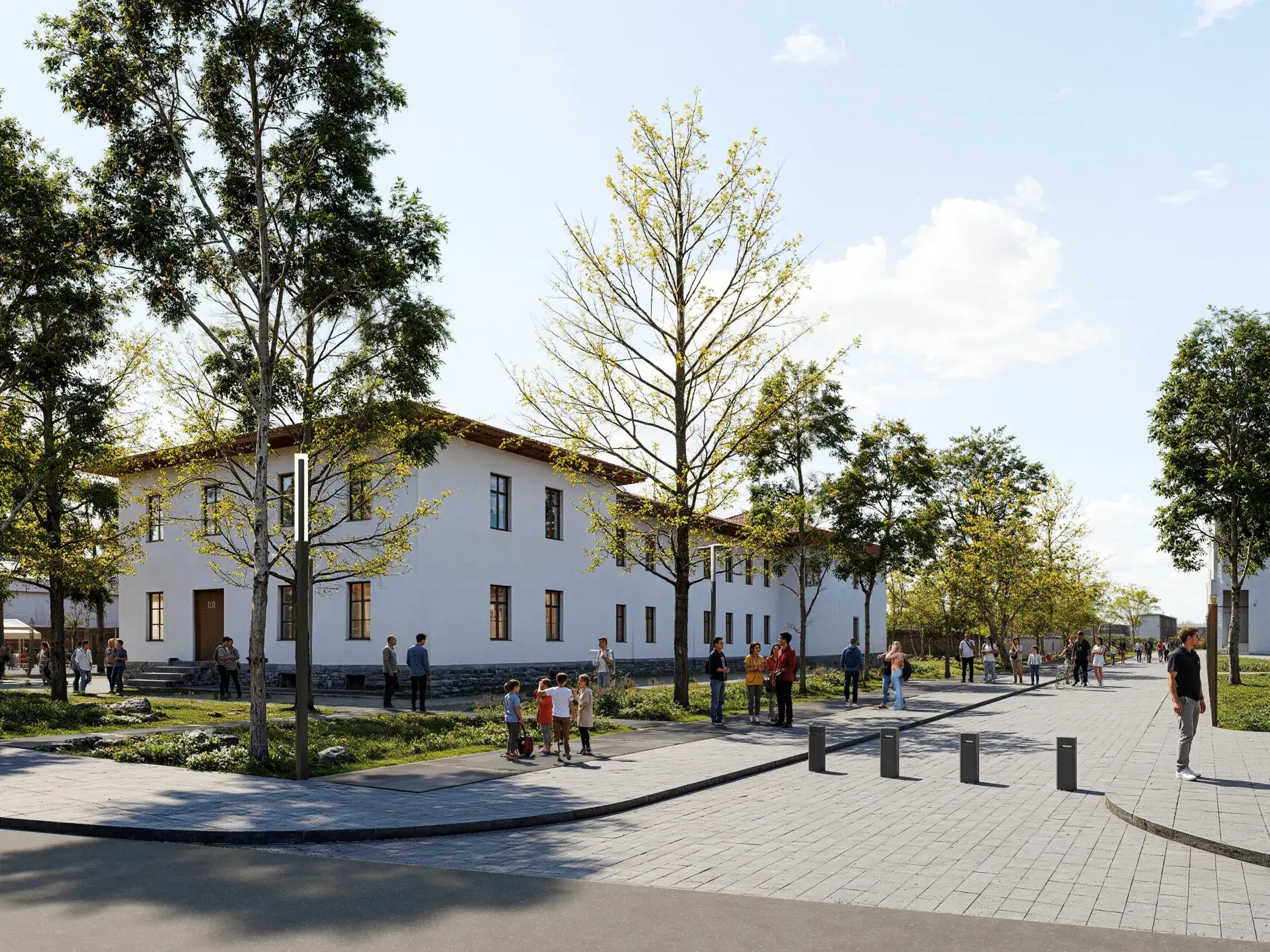
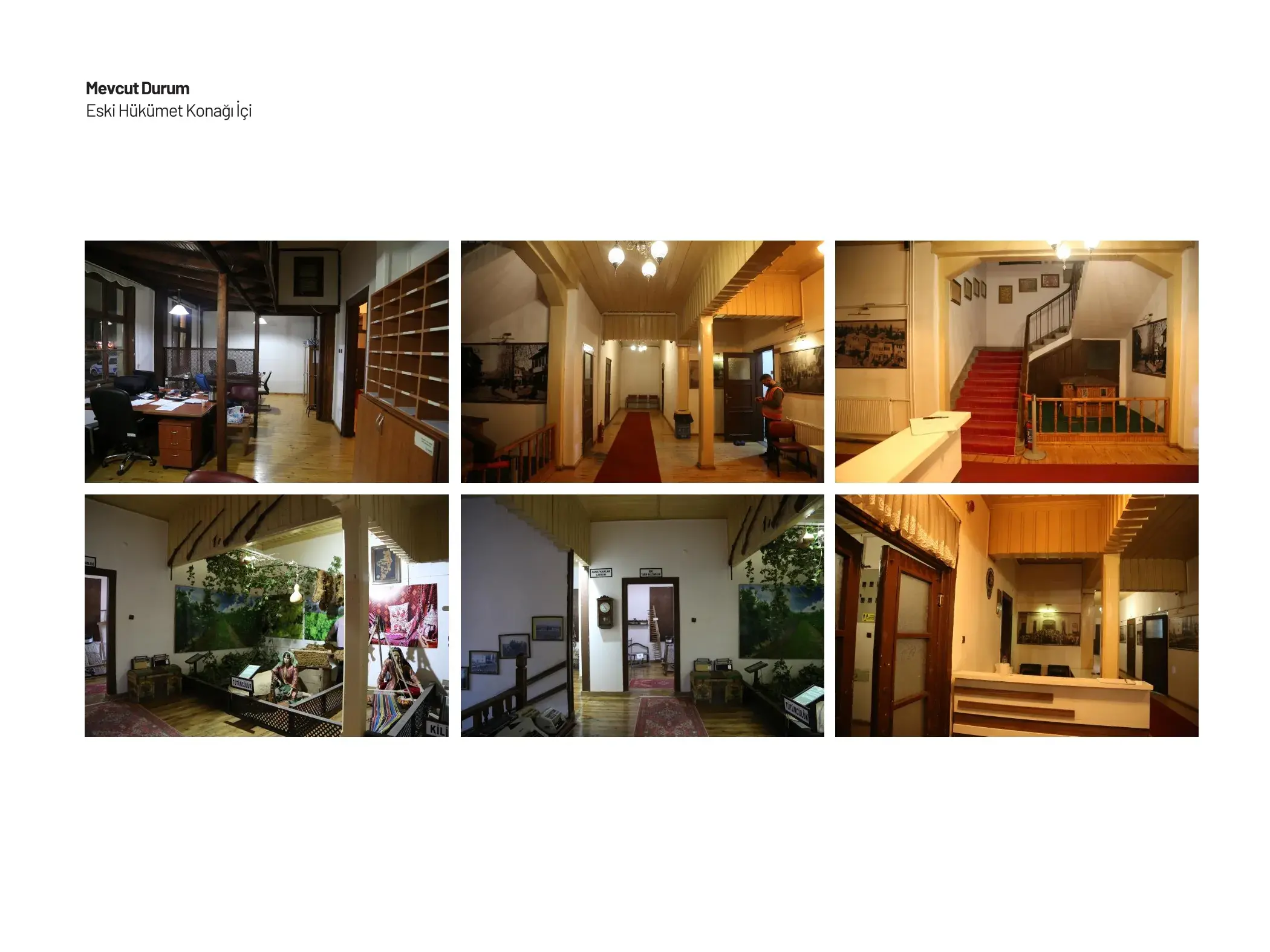
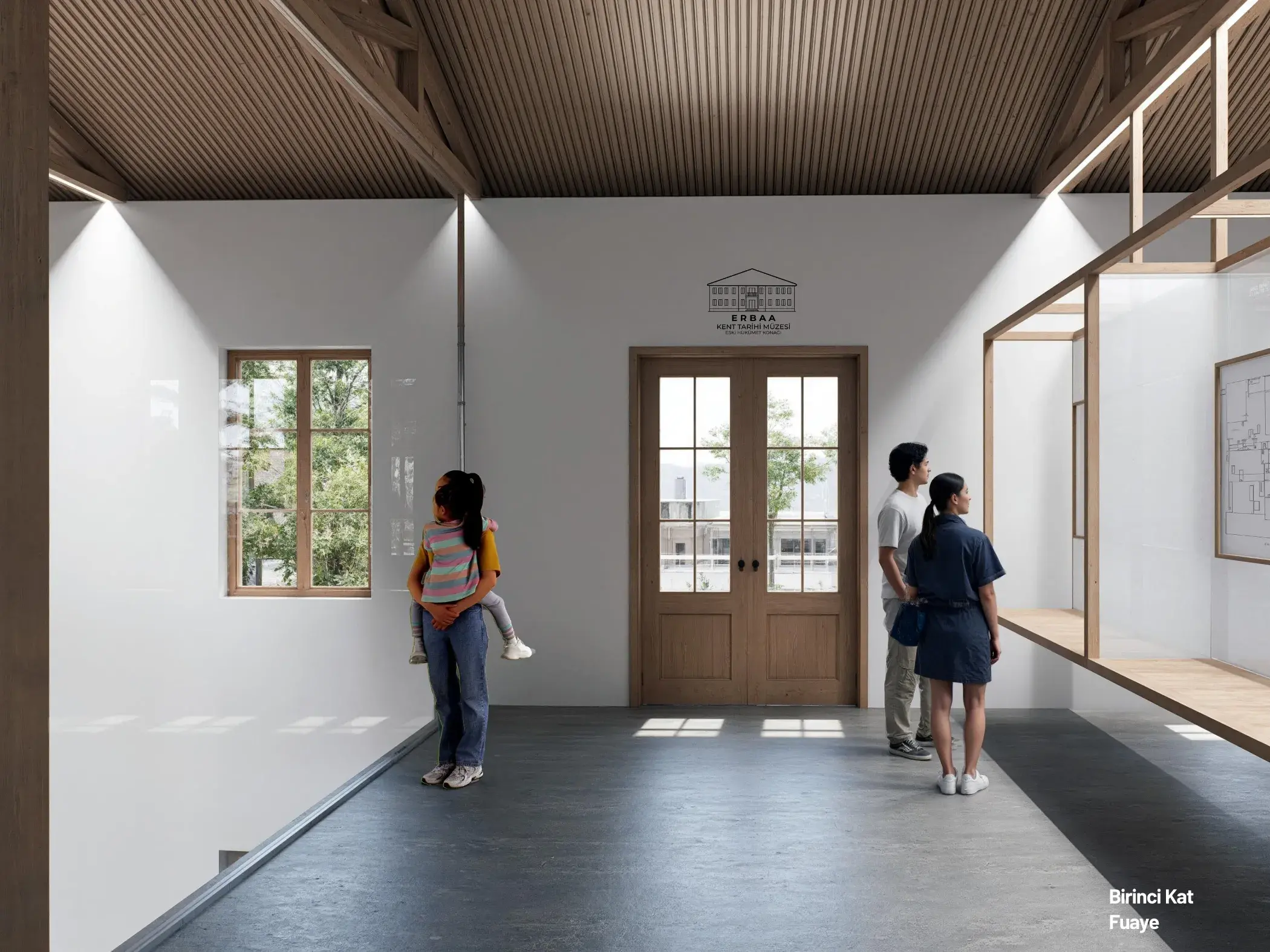
Constructed in Erbaa after the reconstruction process that followed the earthquakes of 1942–1943, the Old Government Building represents an important example of the public architectural understanding of the Republican Period. Initiated in 1944 and completed in 1945, the building reflects the spatial approach of its era through its symmetrical façade organization, restrained architectural language, and civic representational character. Today functioning as both an ethnography museum and district governor’s office, the building maintains a strong relationship with Republic Square and continues to serve as a significant civic focal point within the collective memory of the city.
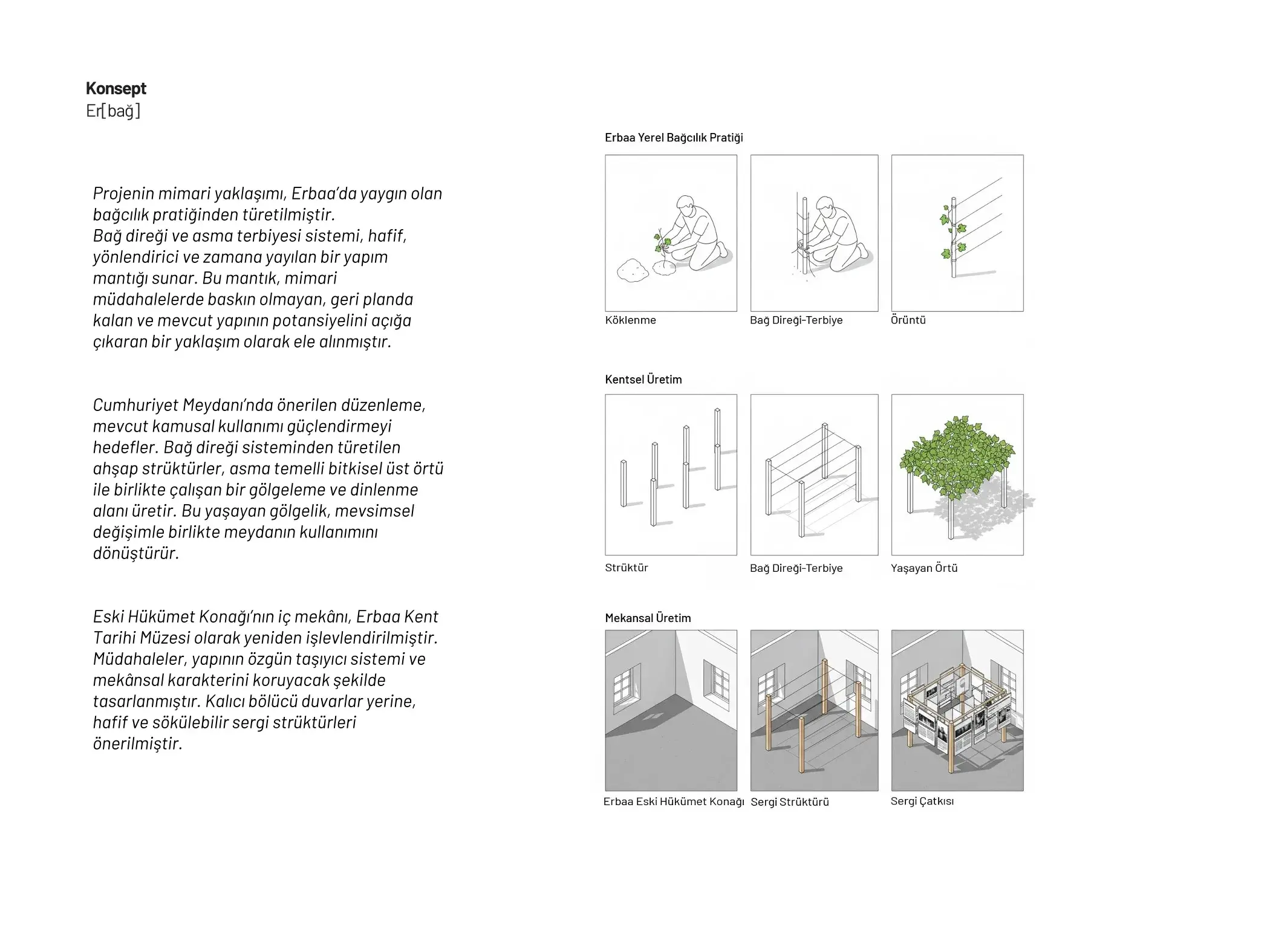
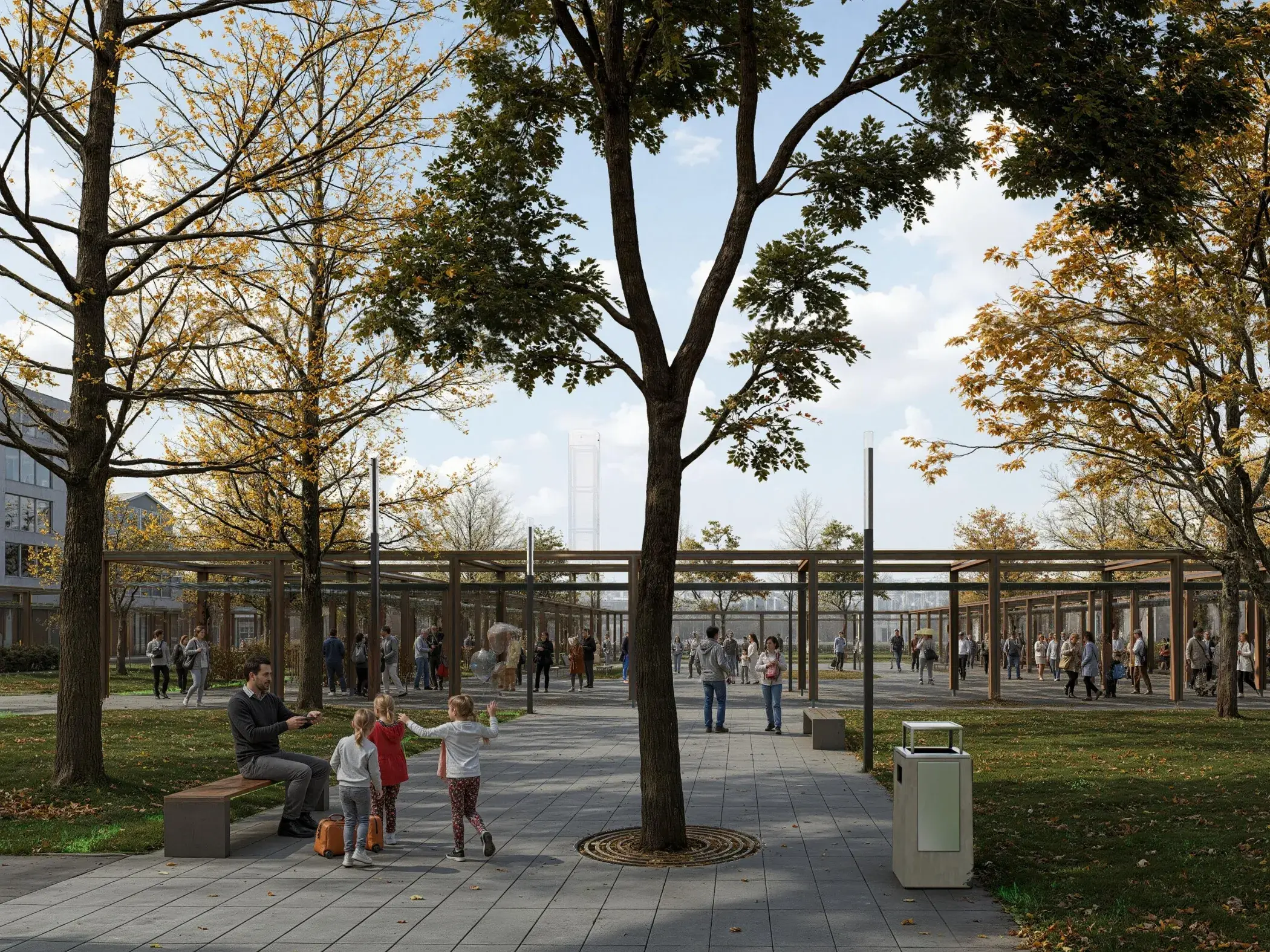
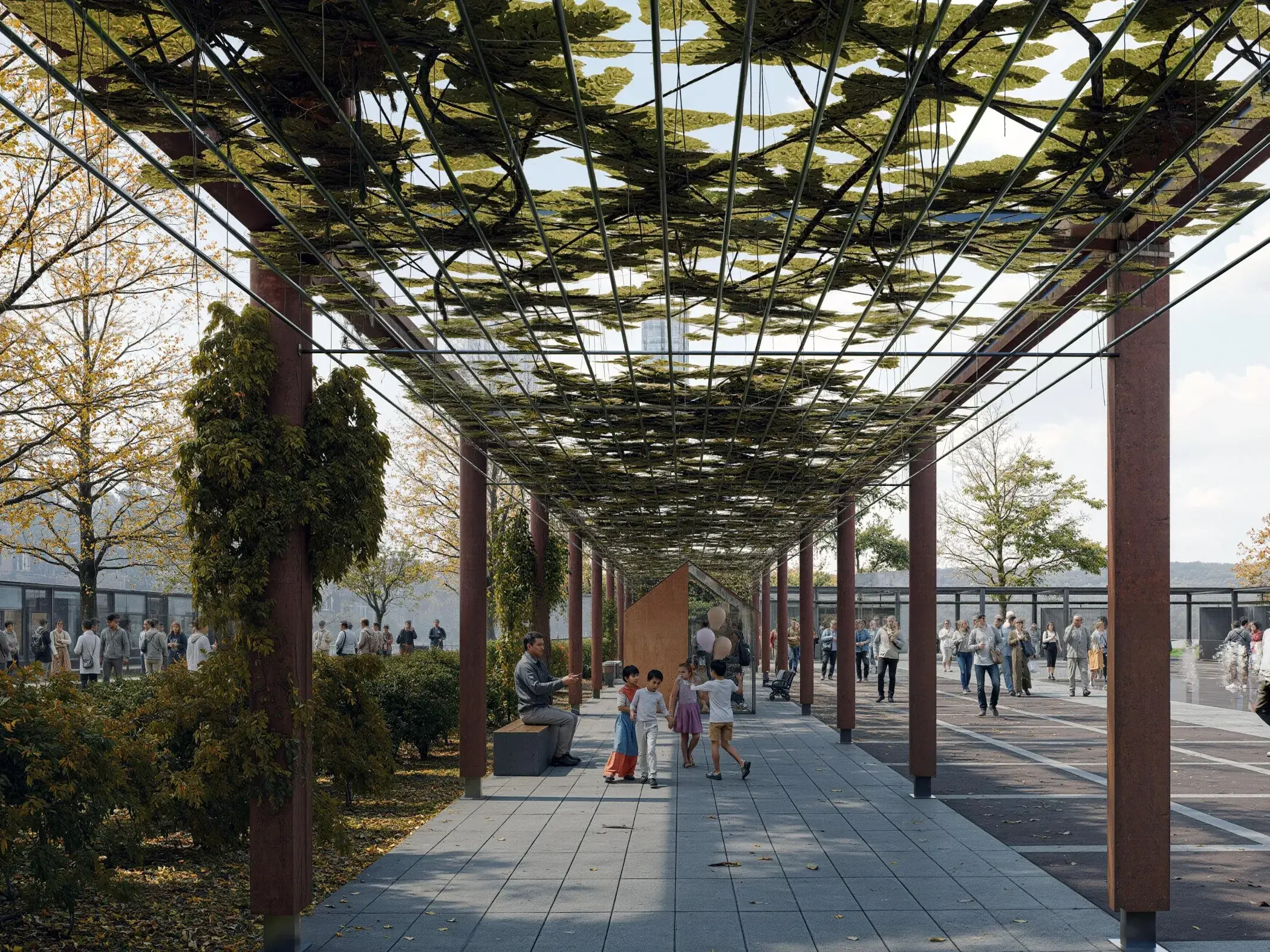
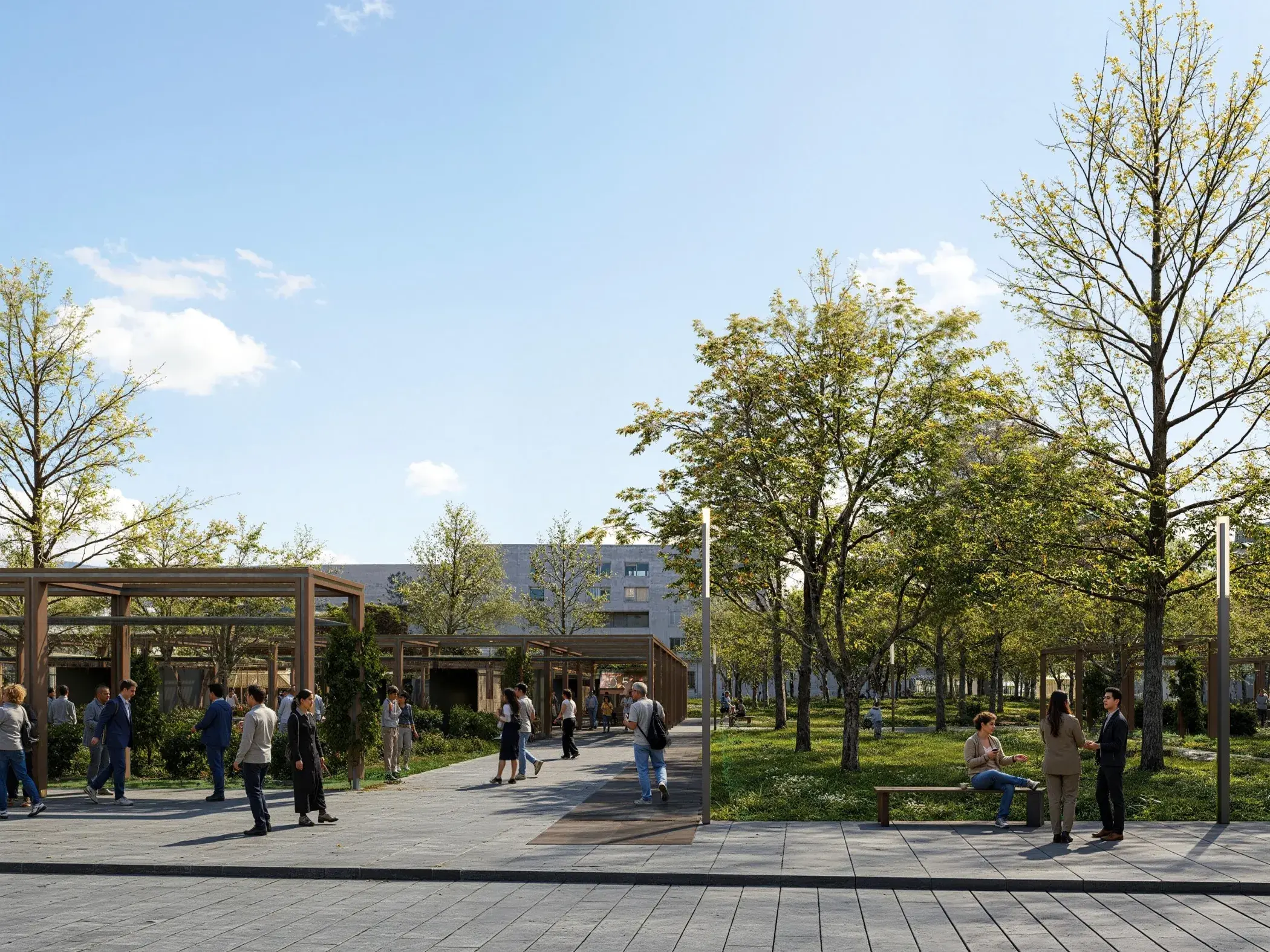
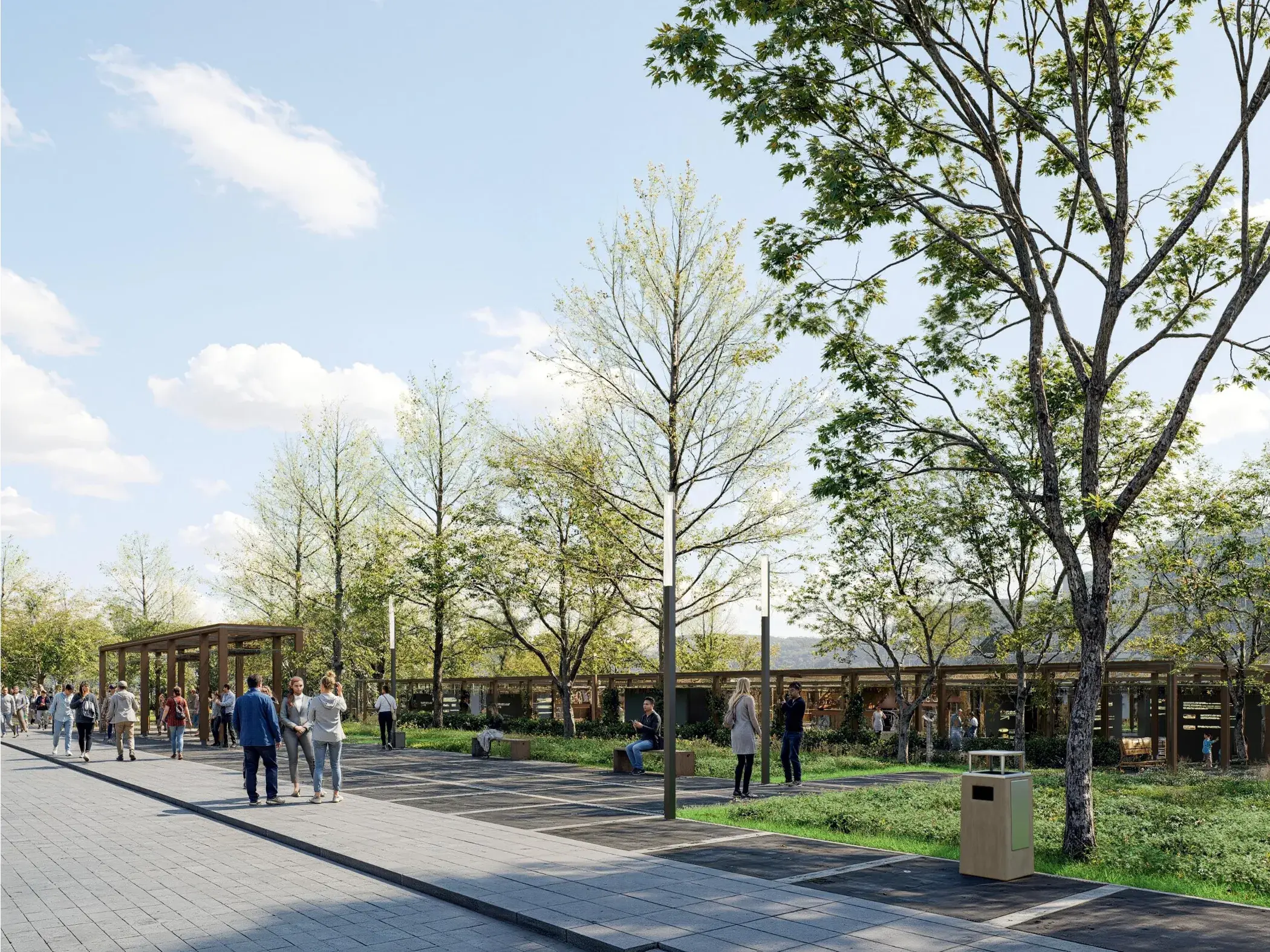
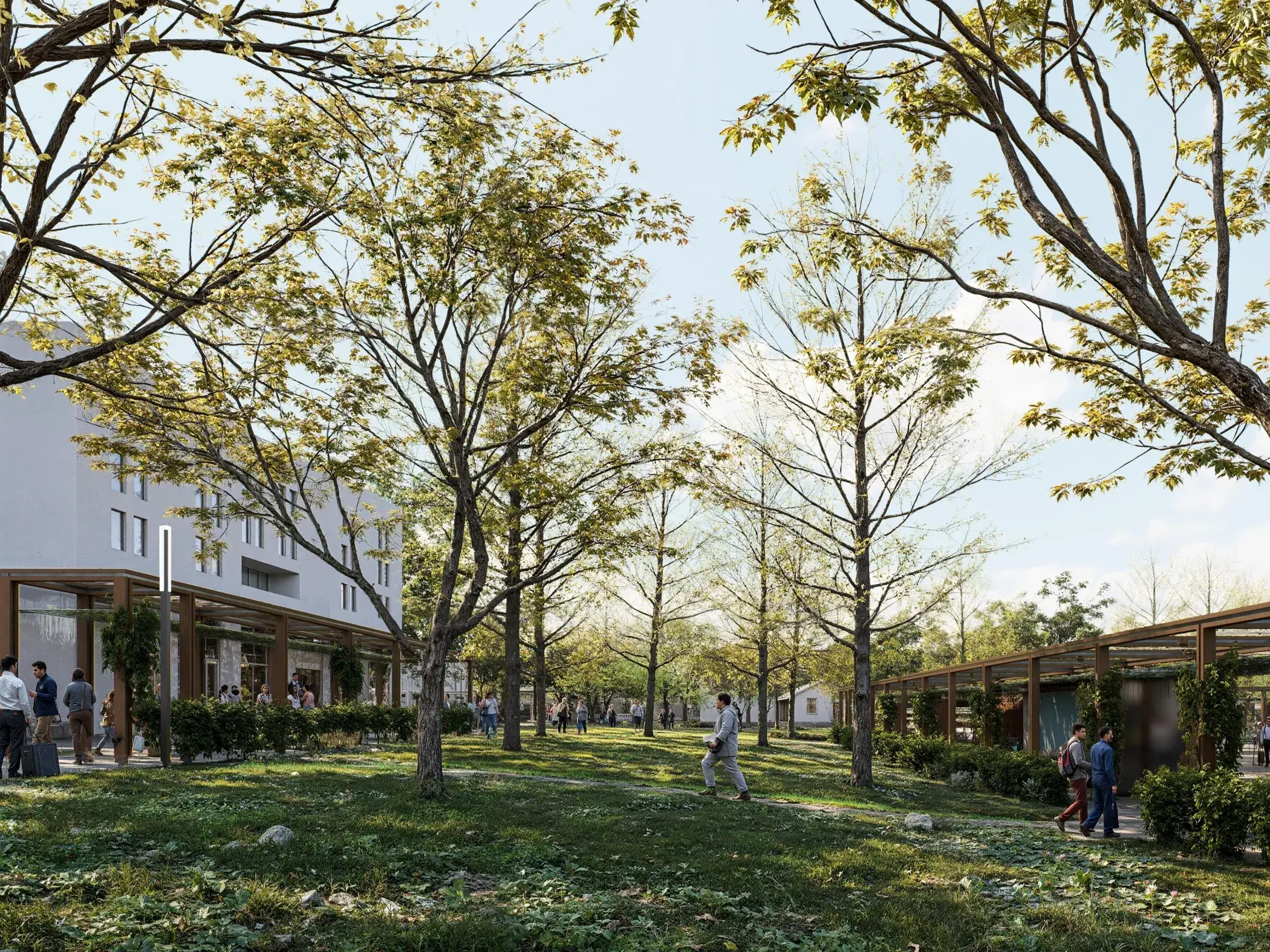
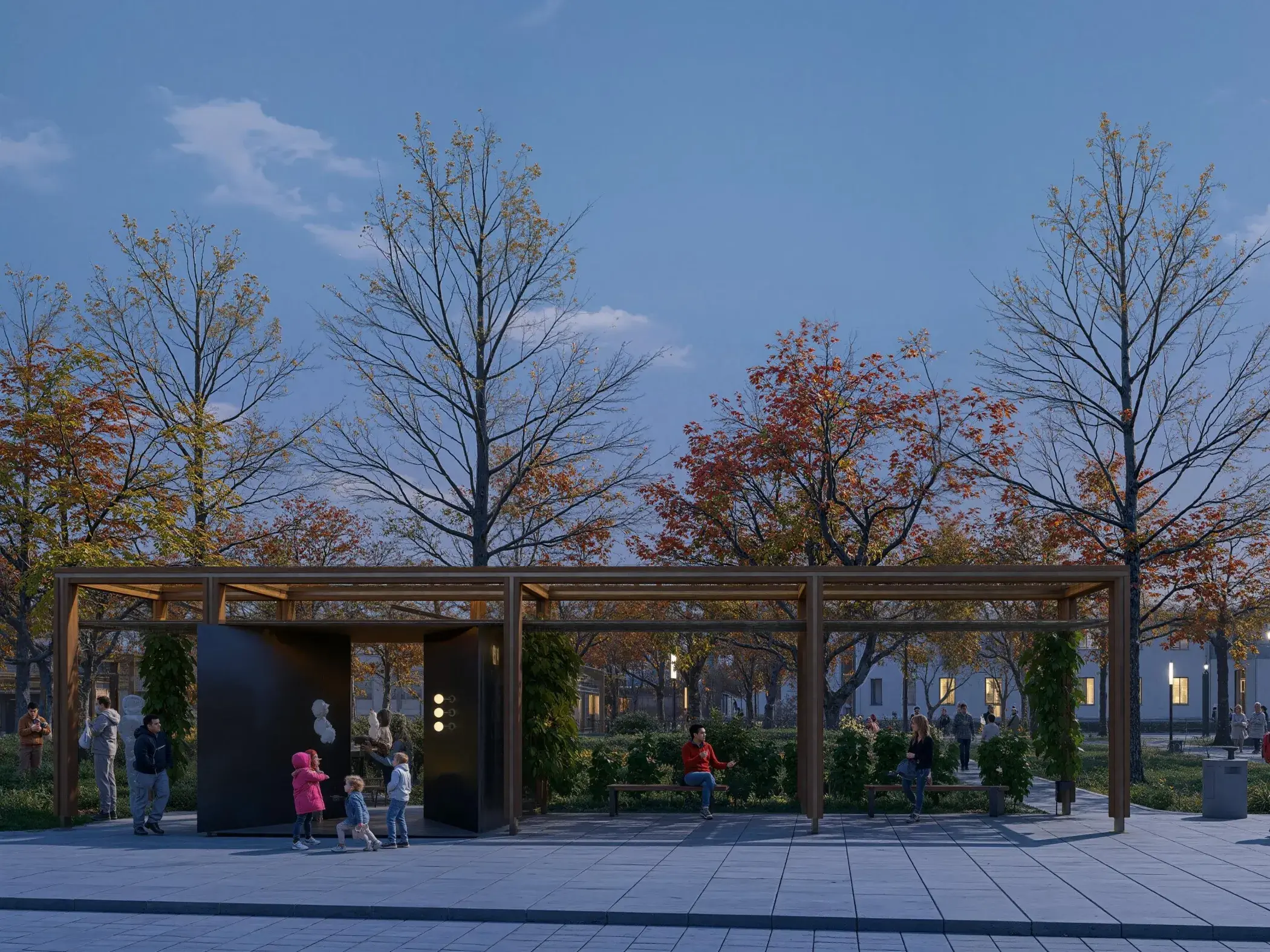
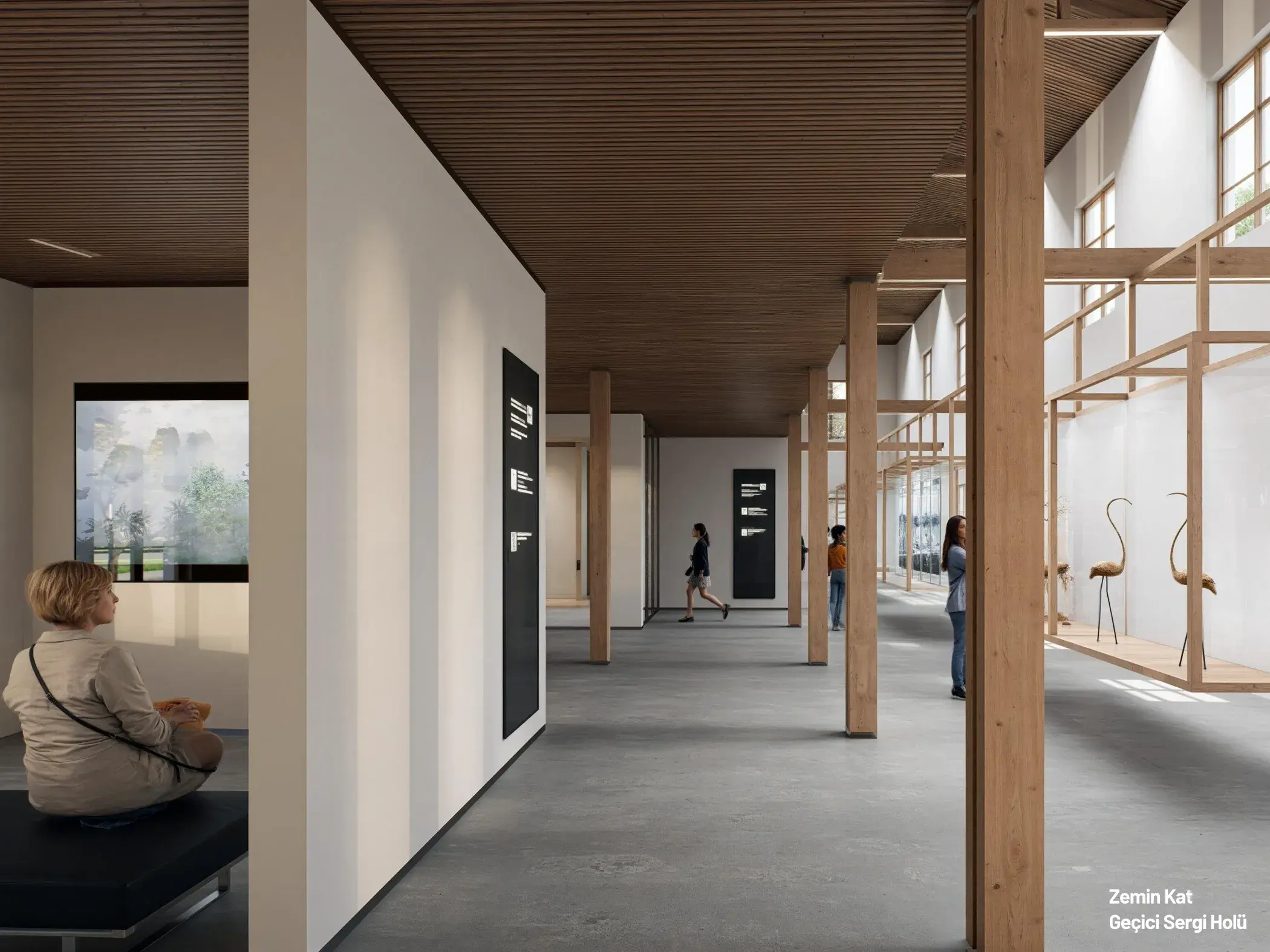
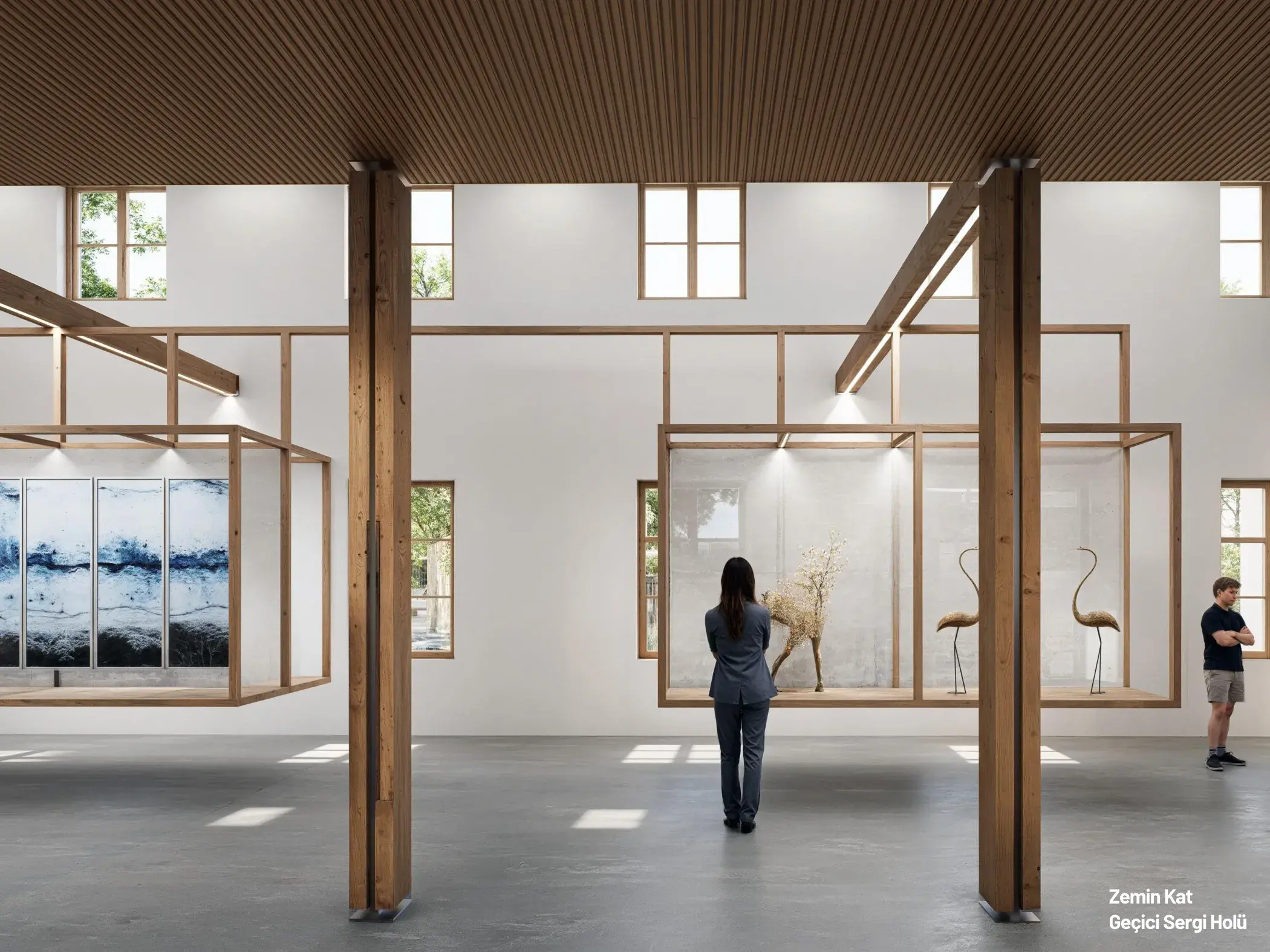
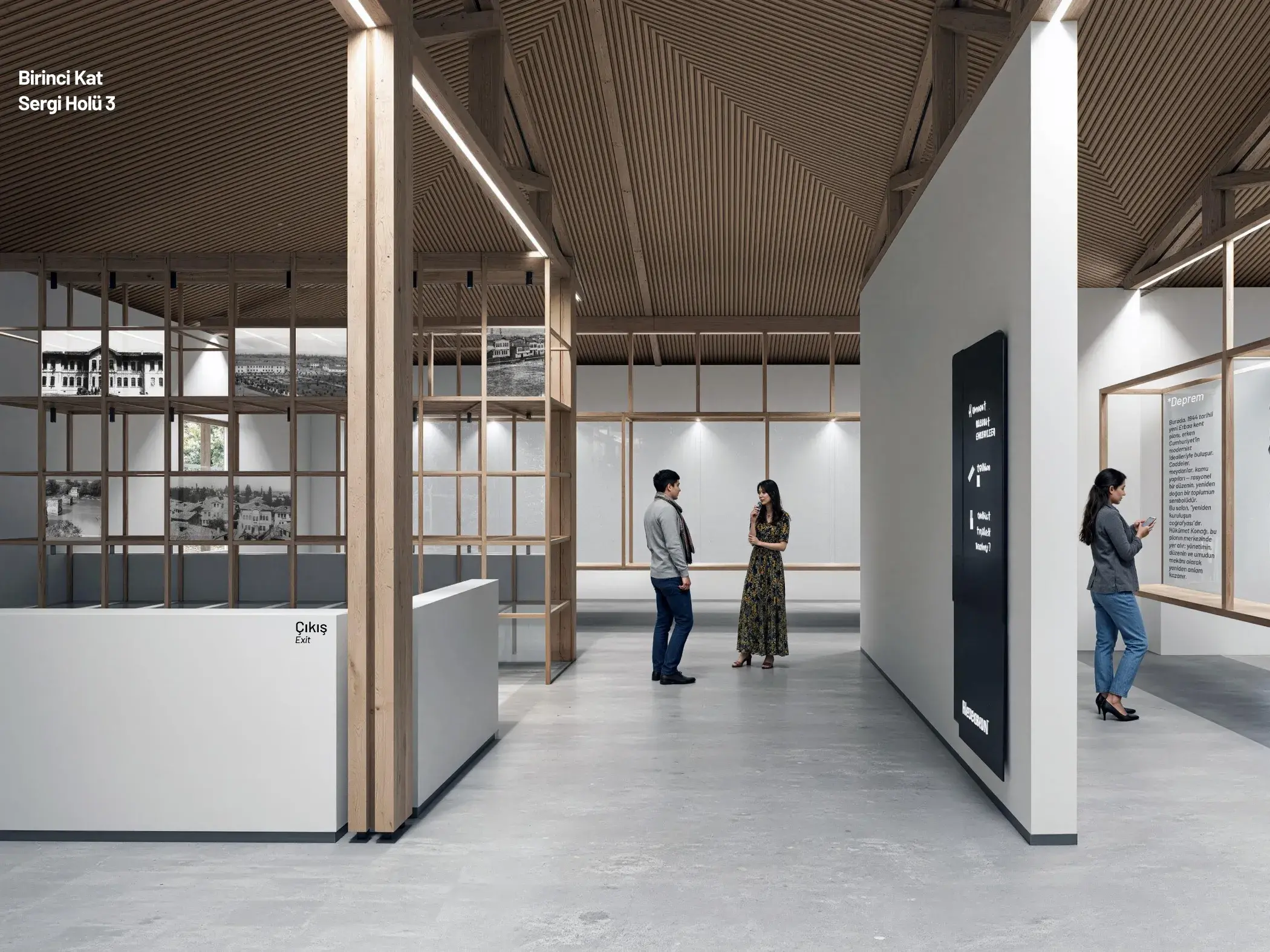
The architectural approach of the project is based on a spatial interpretation derived from Erbaa’s viticulture culture. The vineyard post and vine training system have been considered as the primary reference for the architectural intervention through the concepts of lightness, continuity, and transformation over time. In this context, the proposed interventions aim not to dominate the existing structure, but rather to reveal its historical and spatial potentials through a restrained and contextually integrated approach.
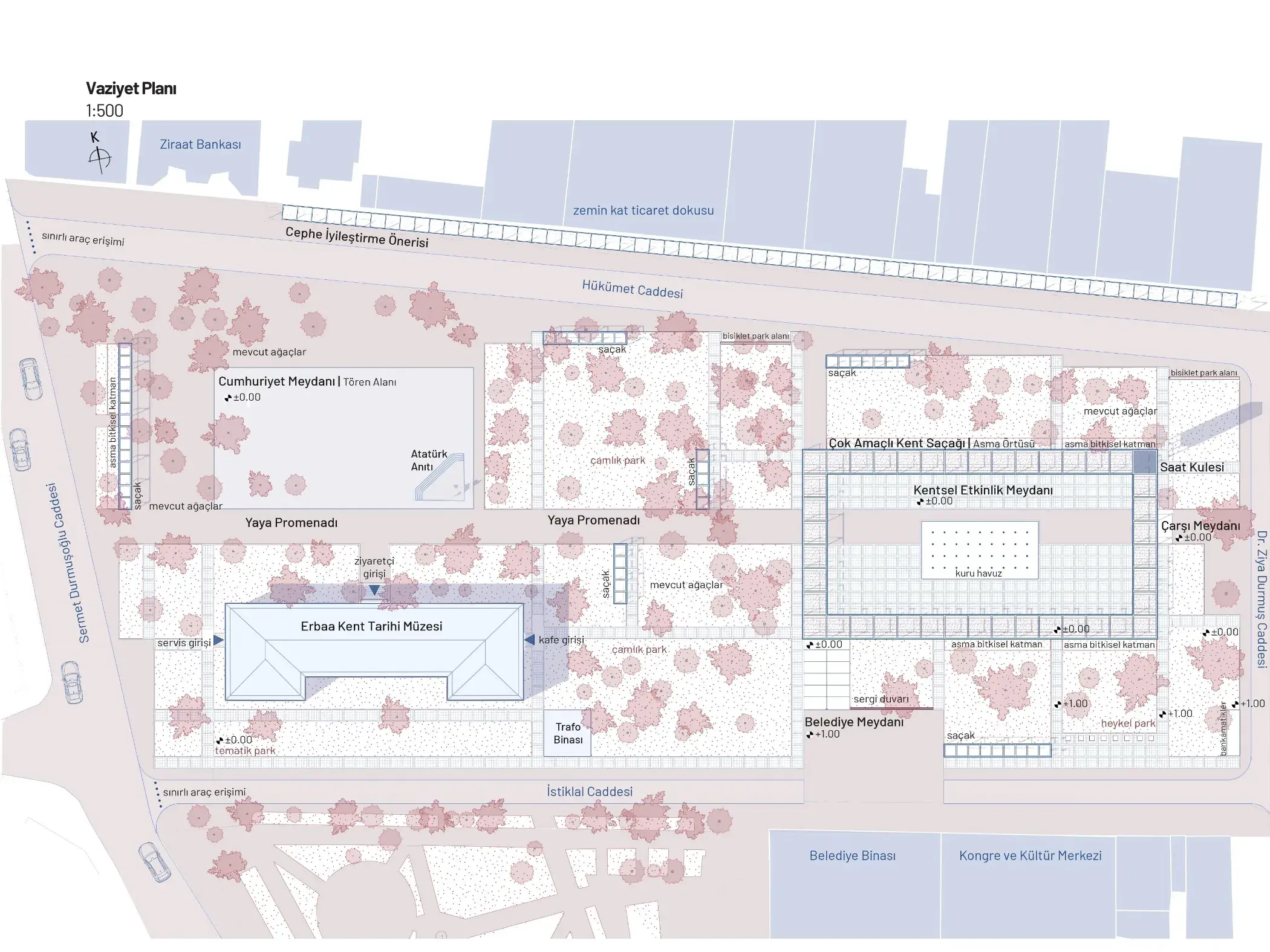
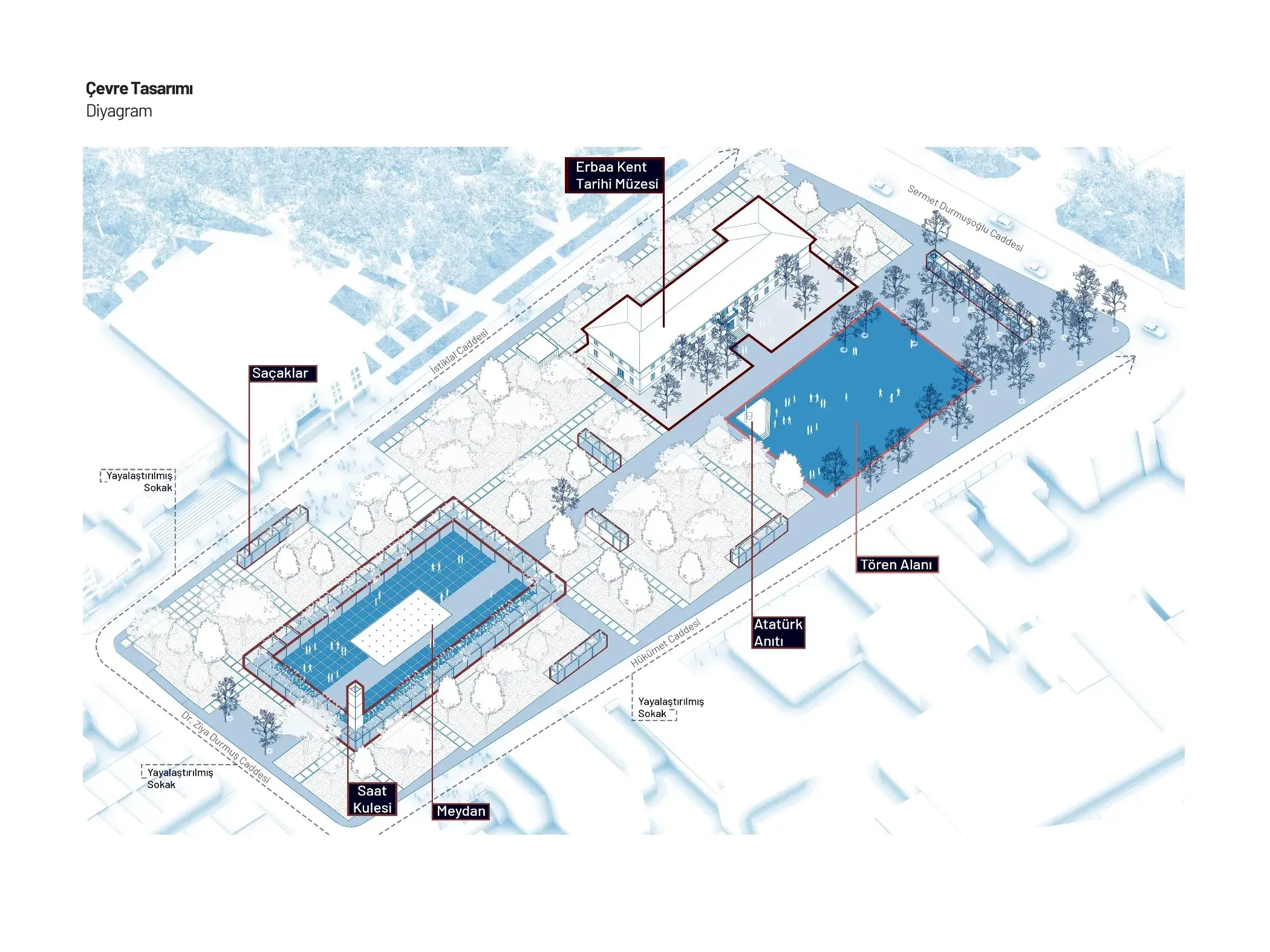
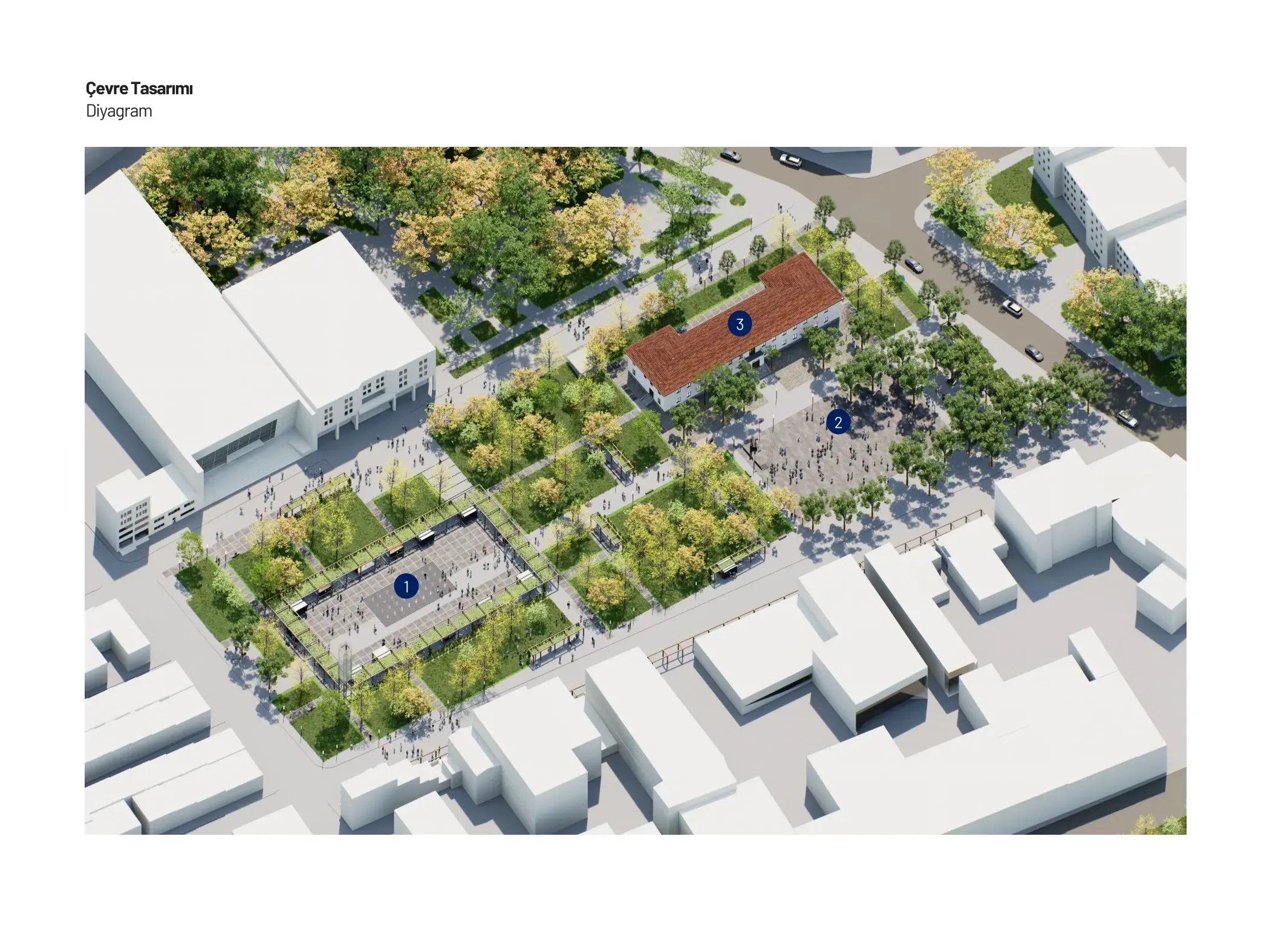
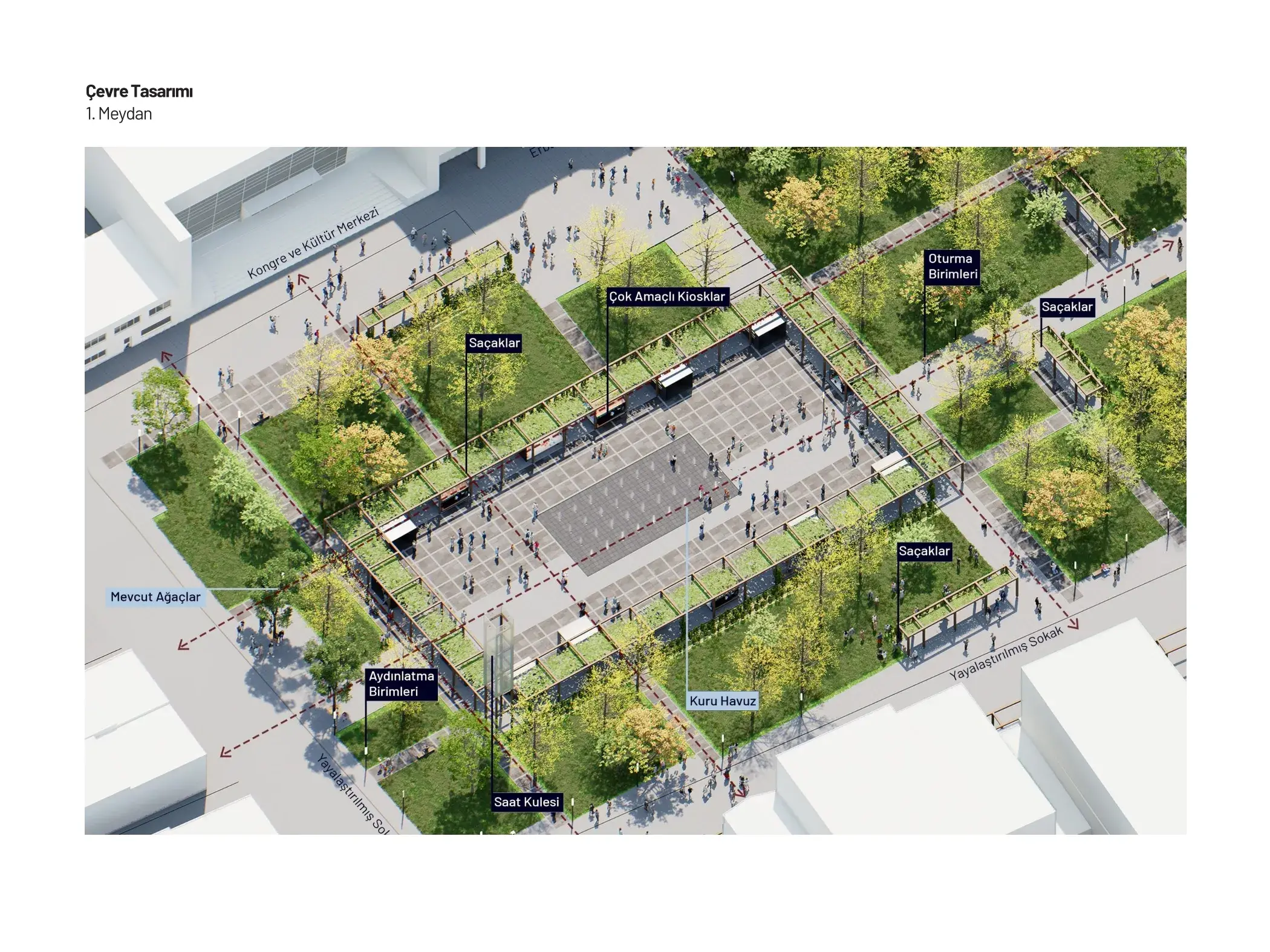
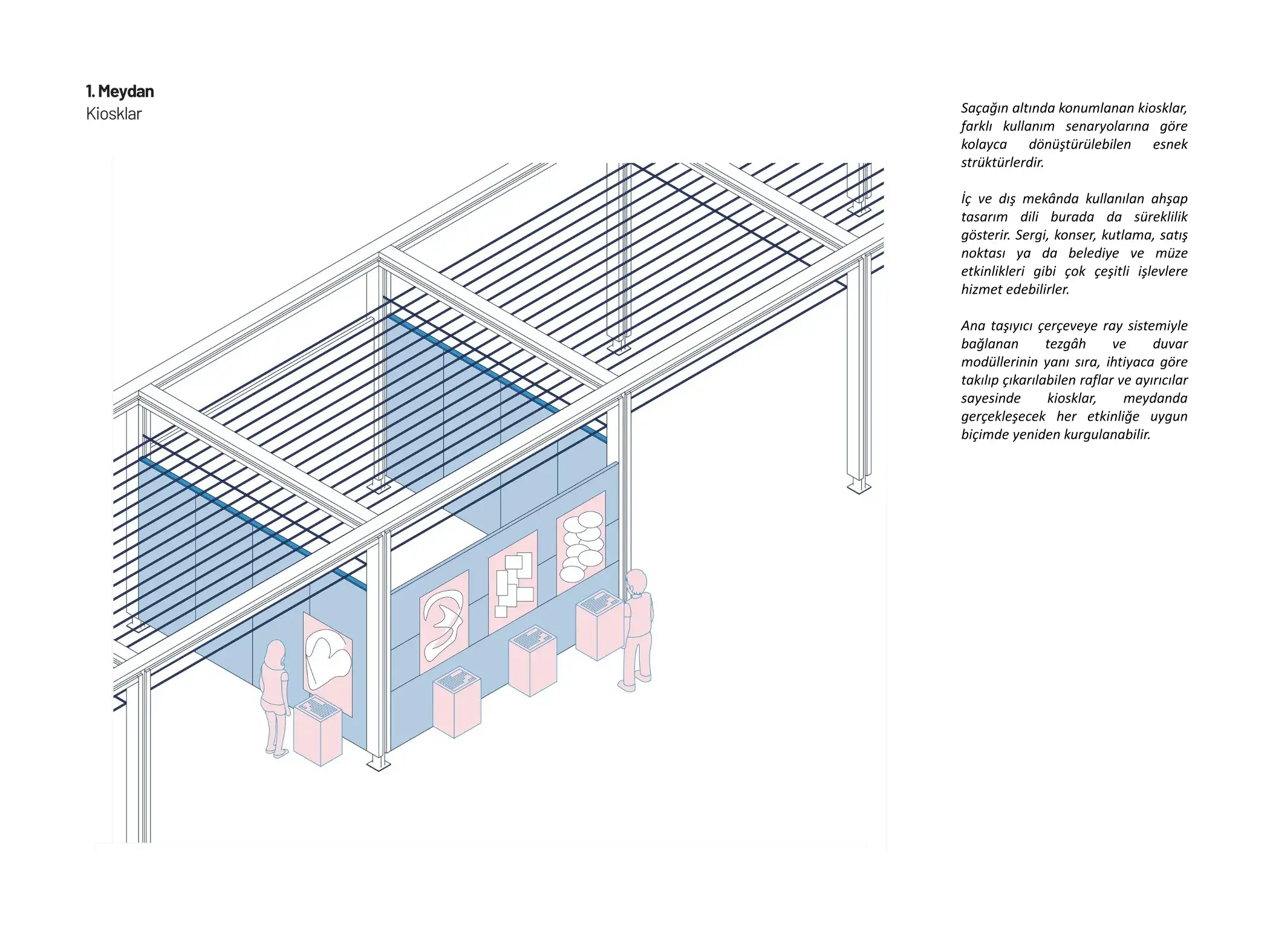
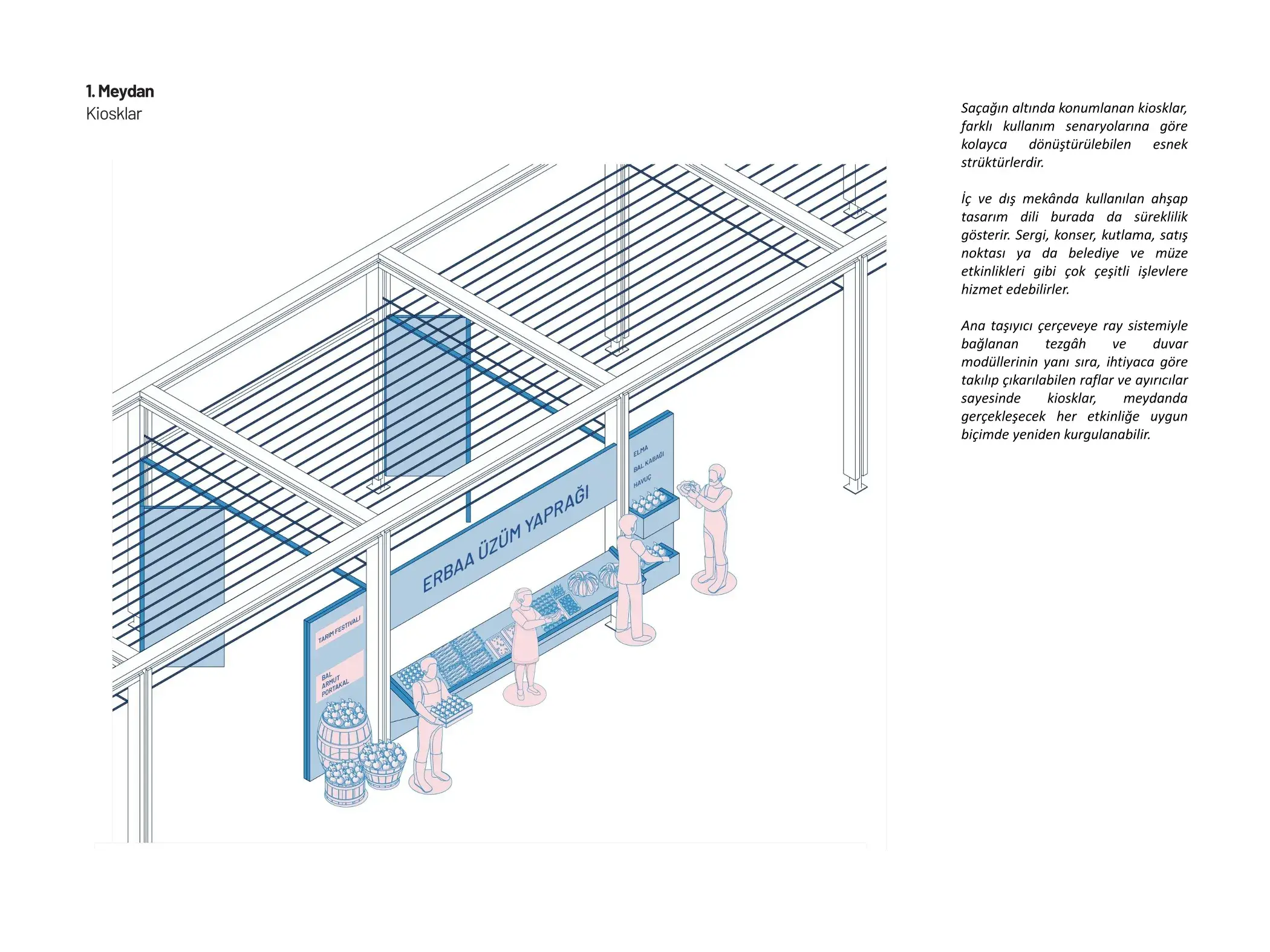
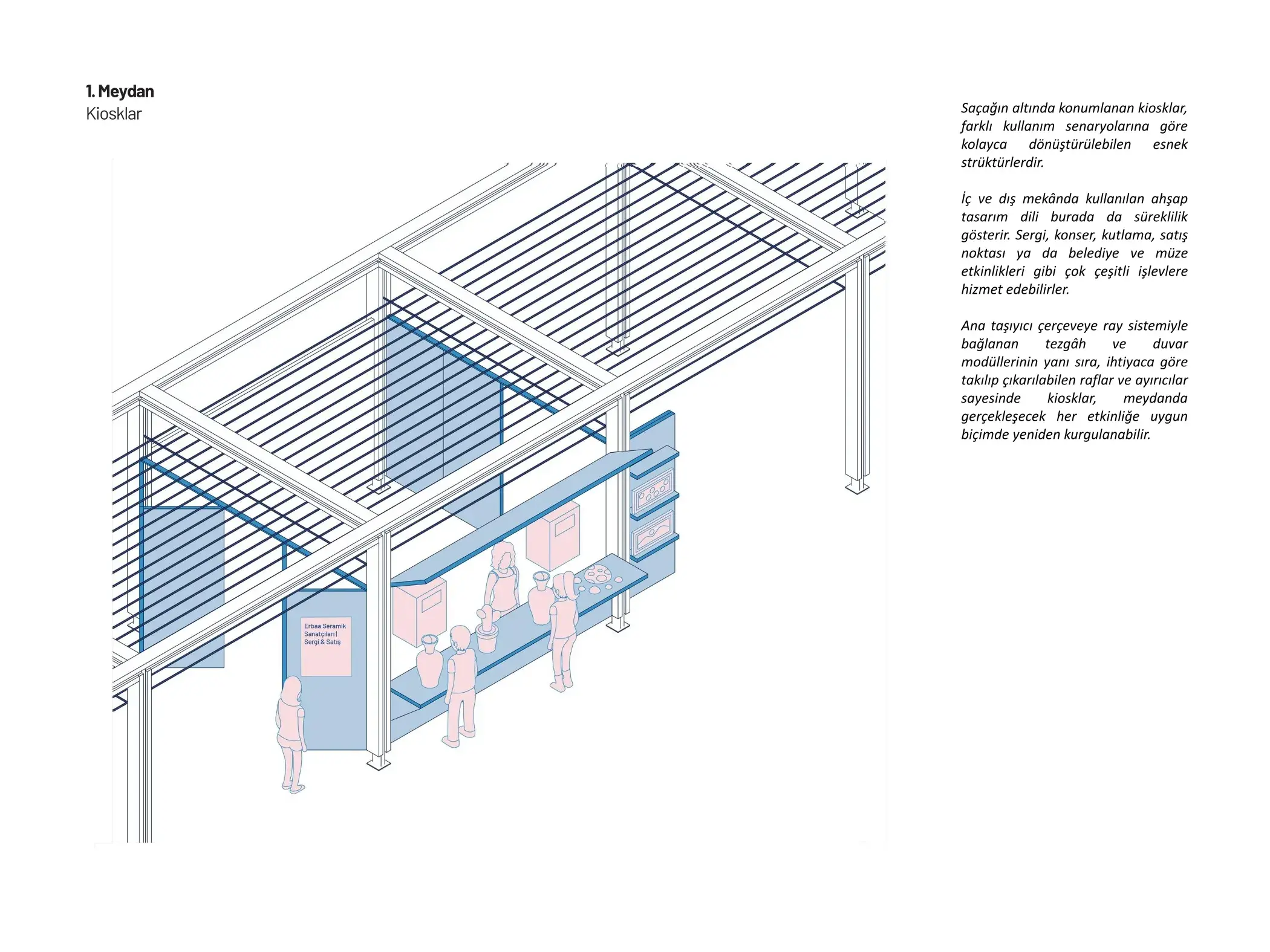
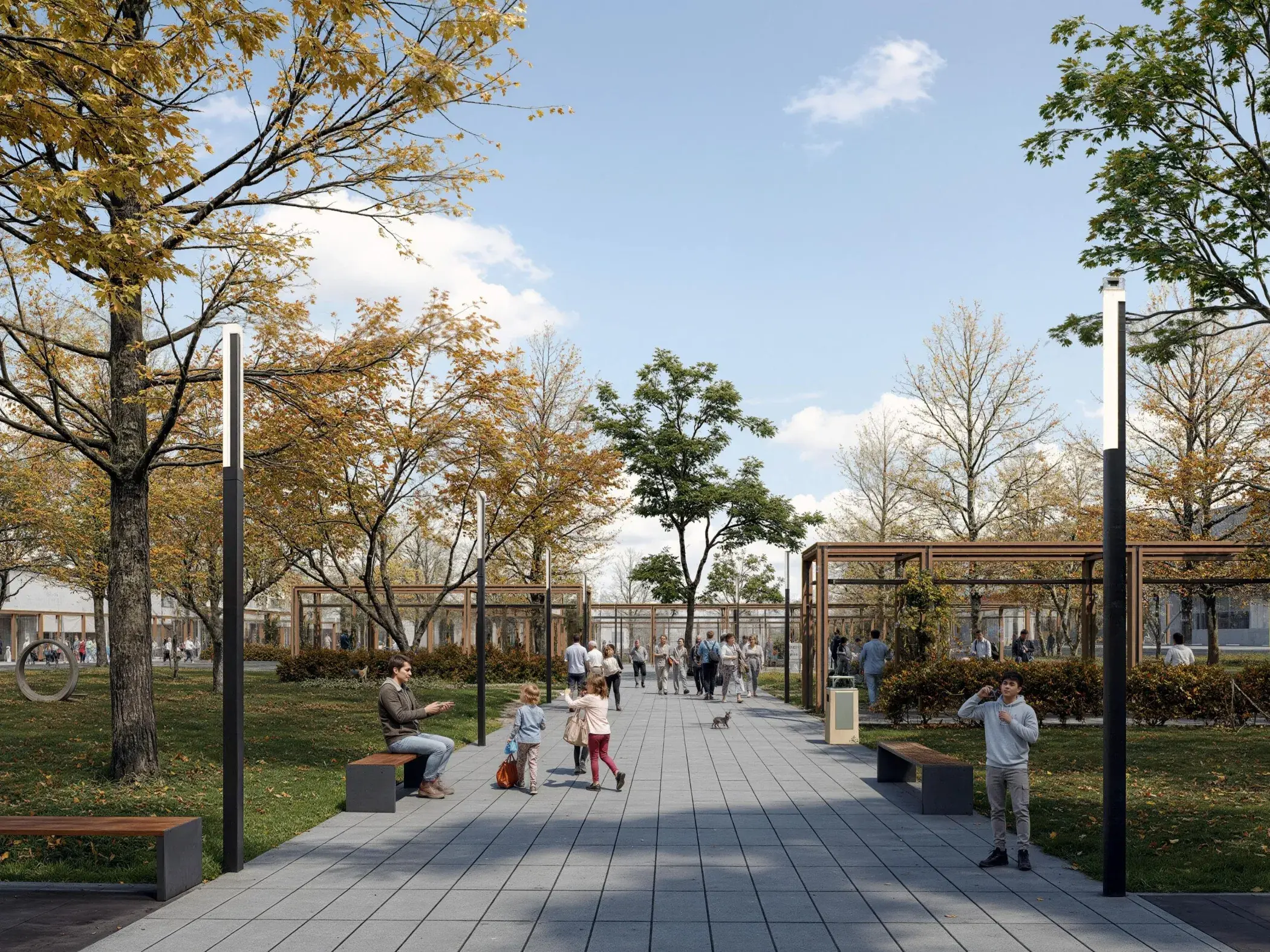
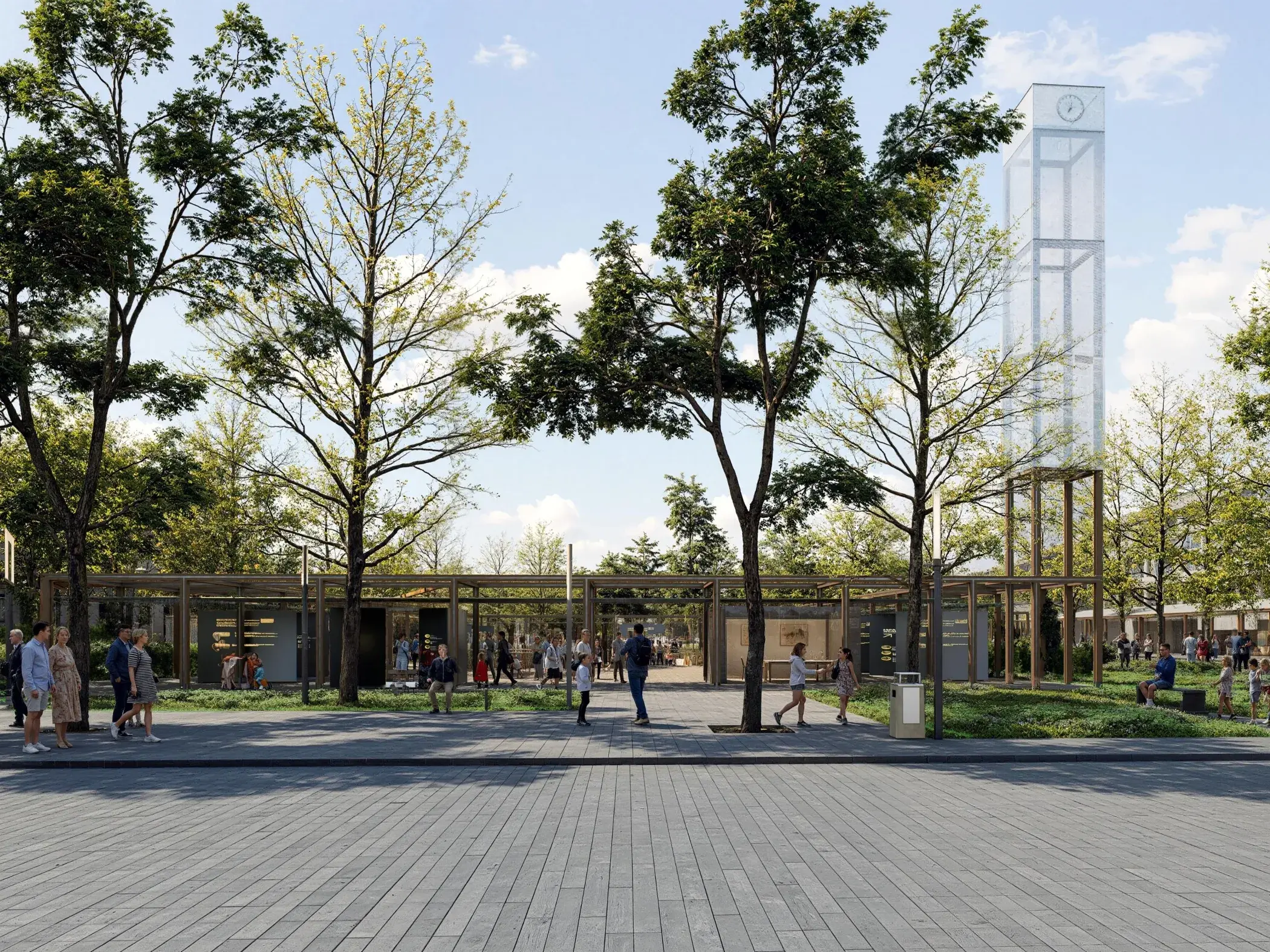
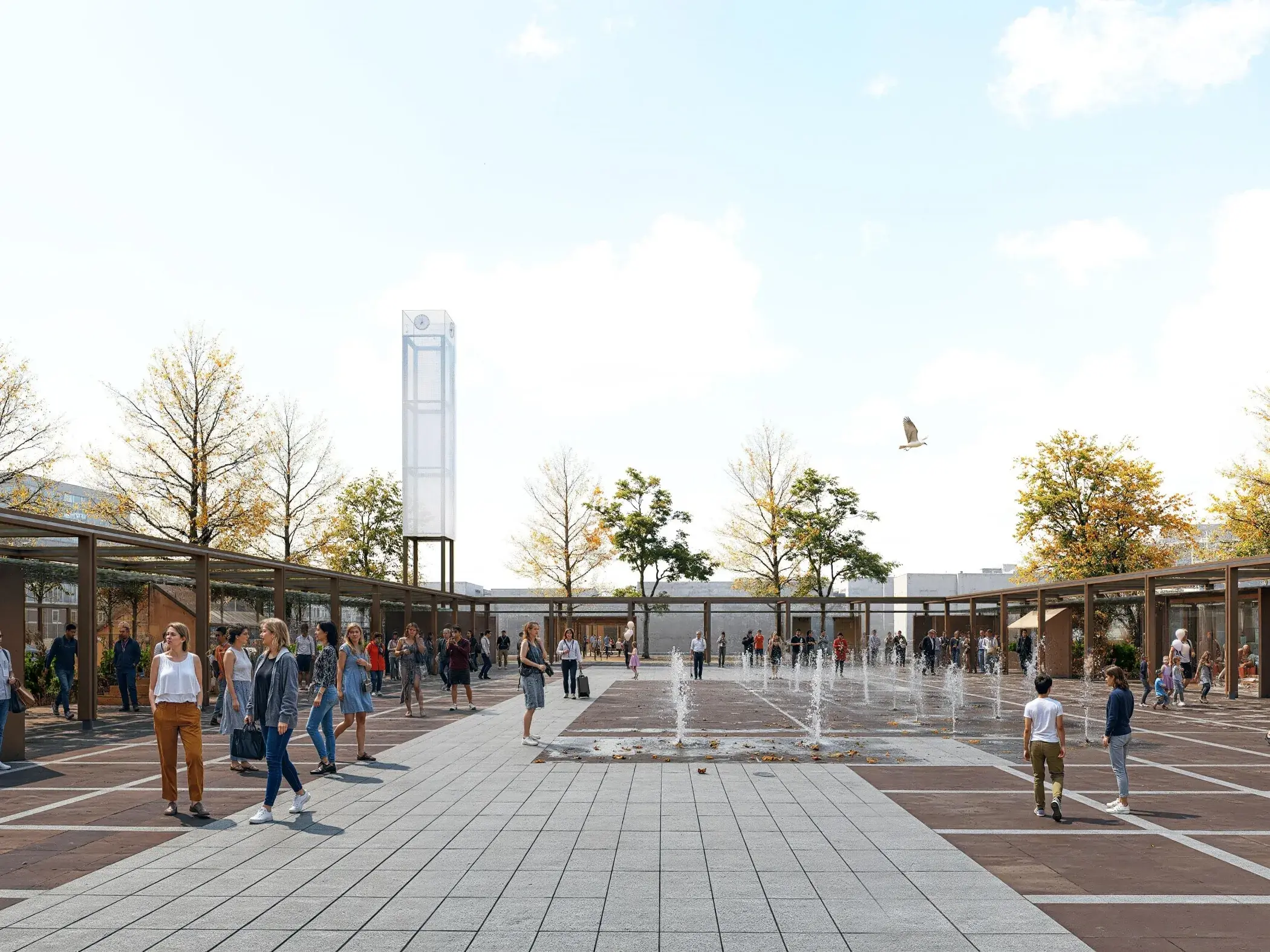
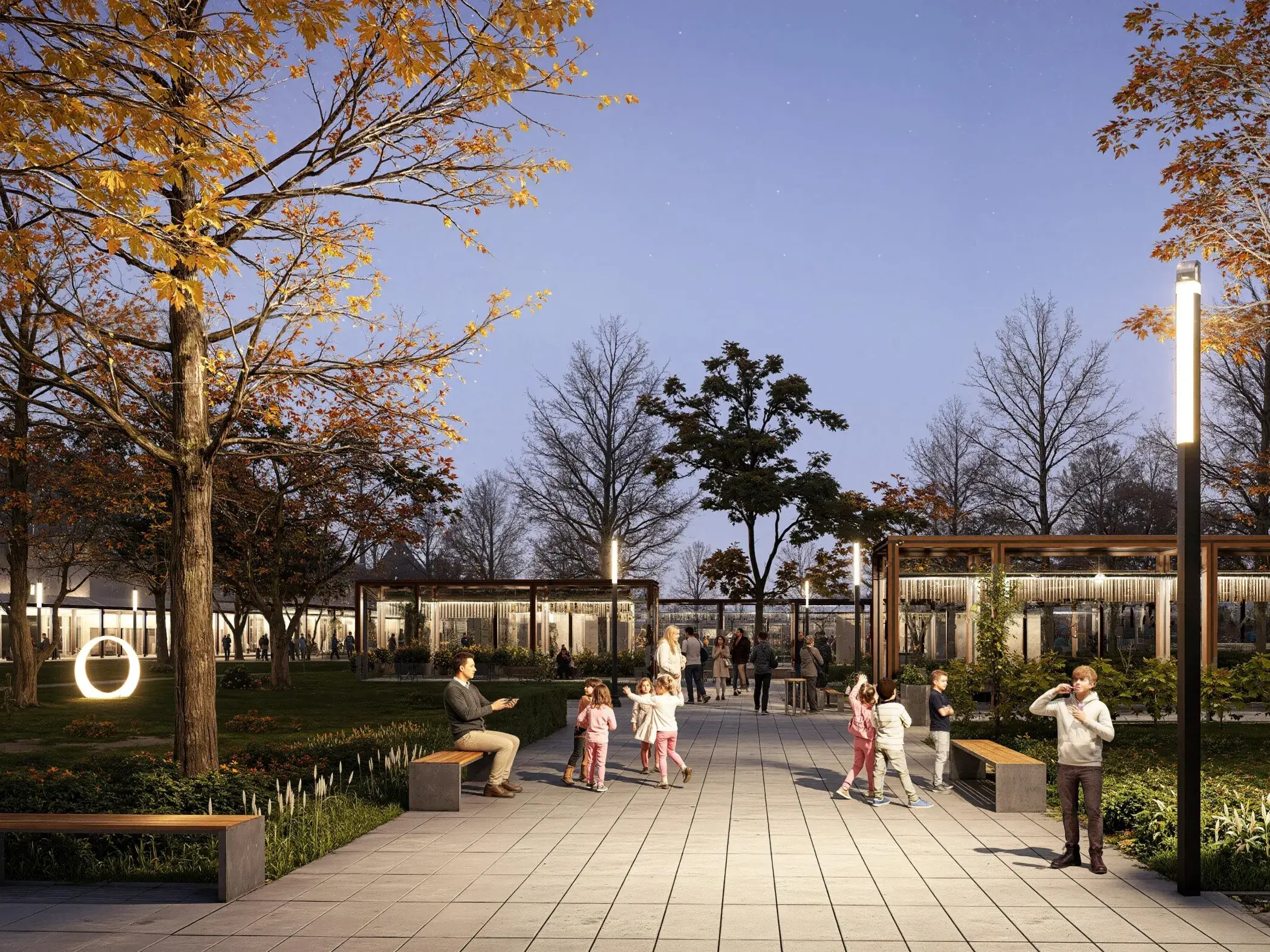
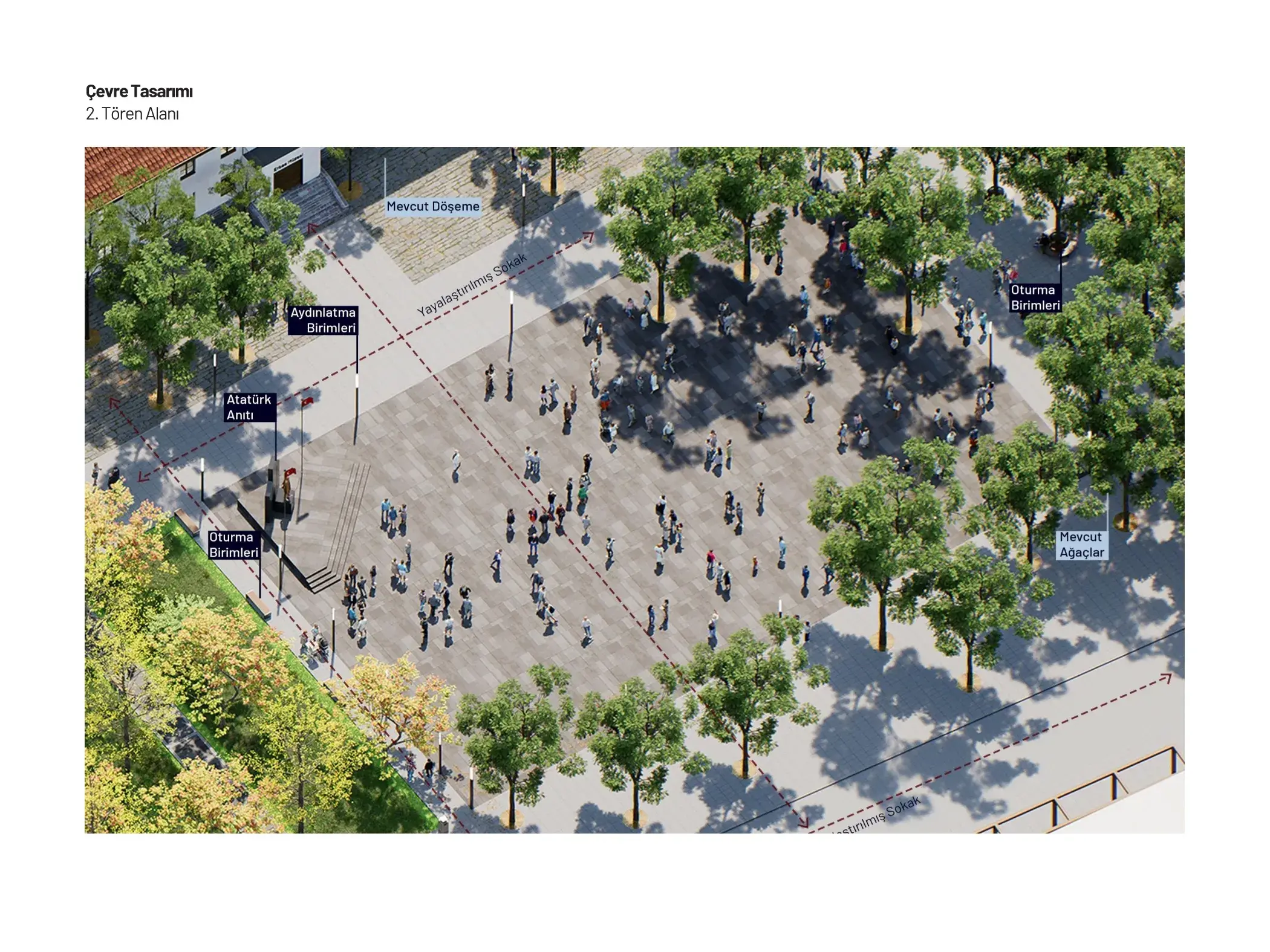
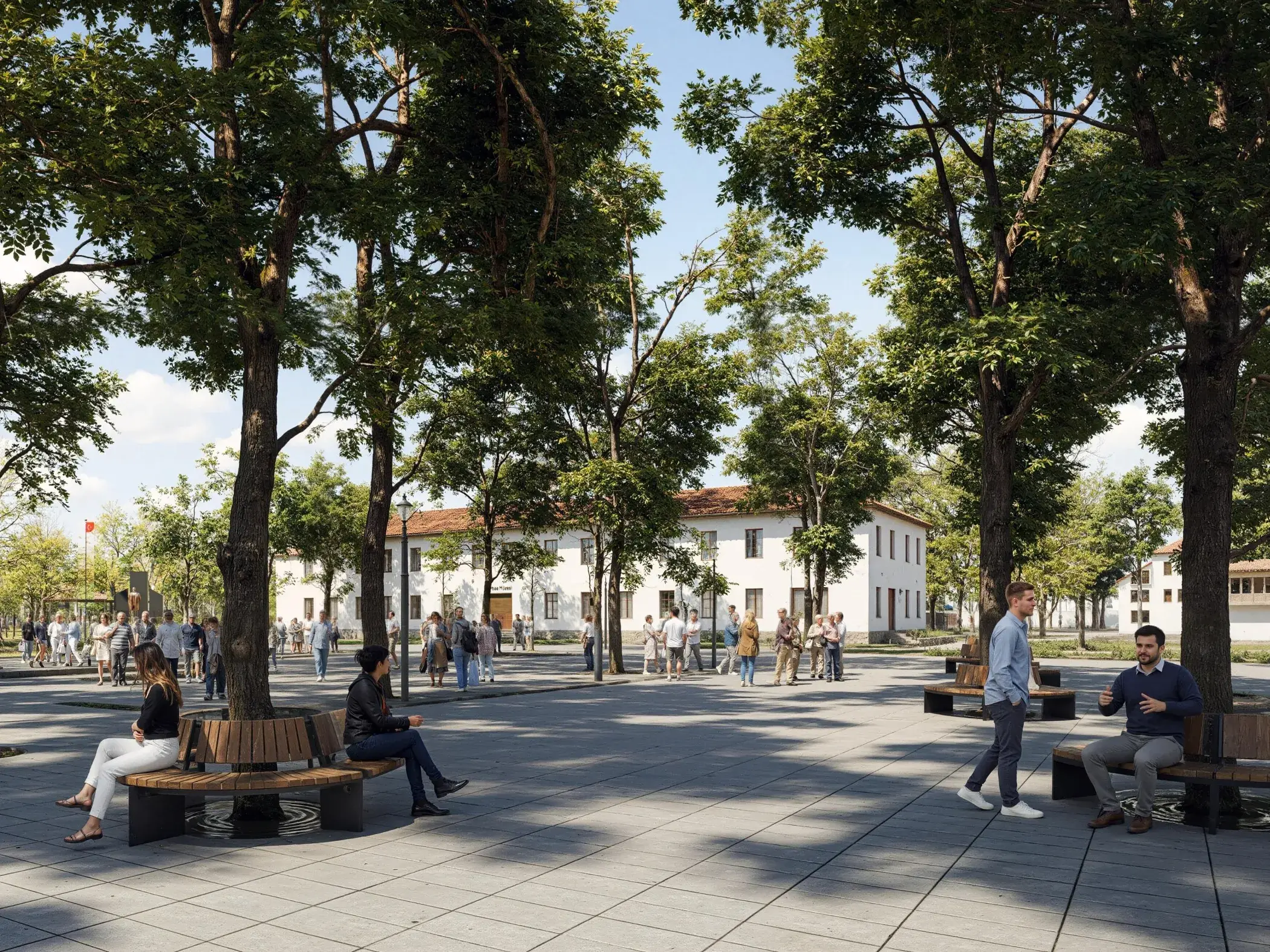
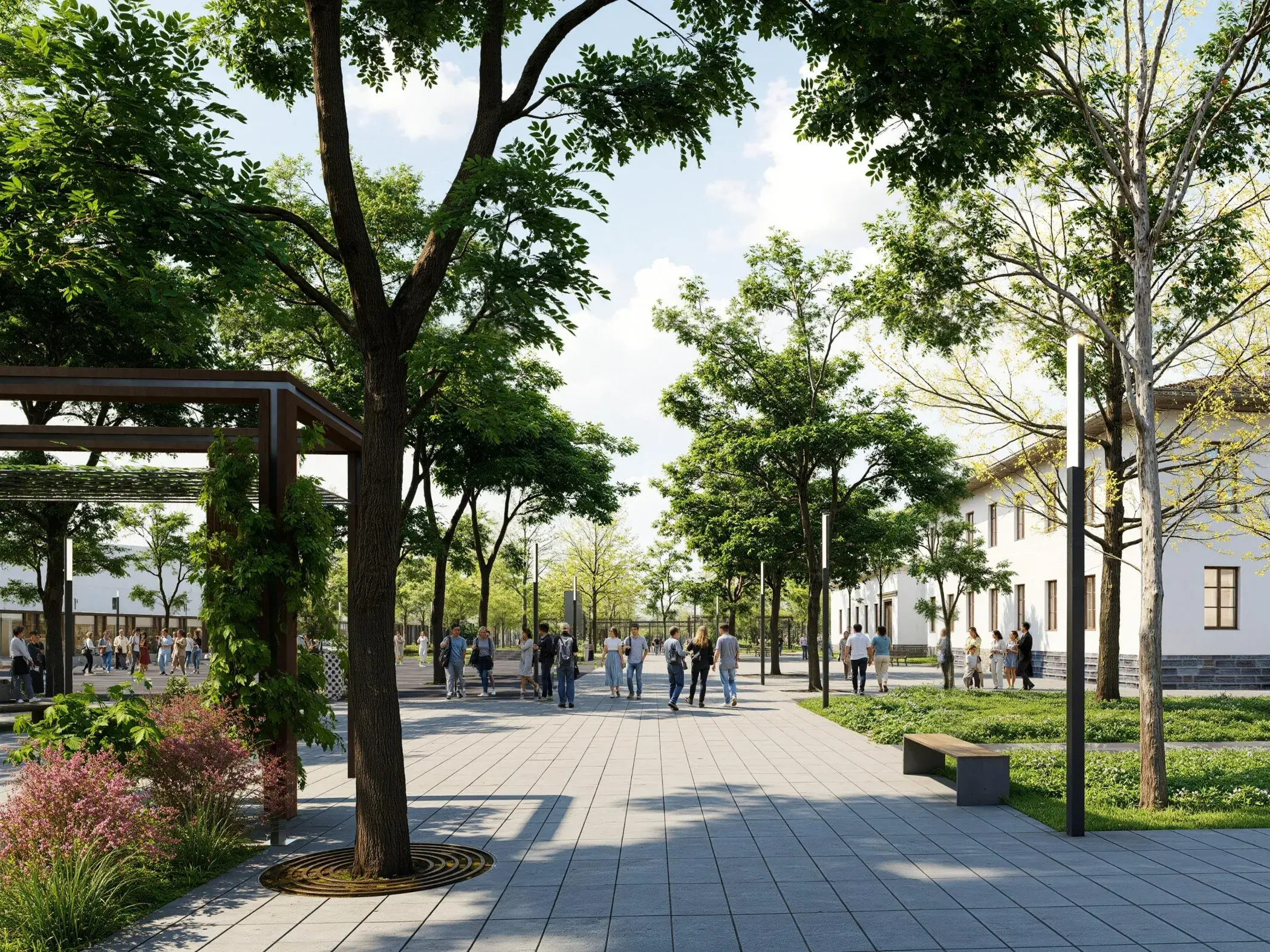
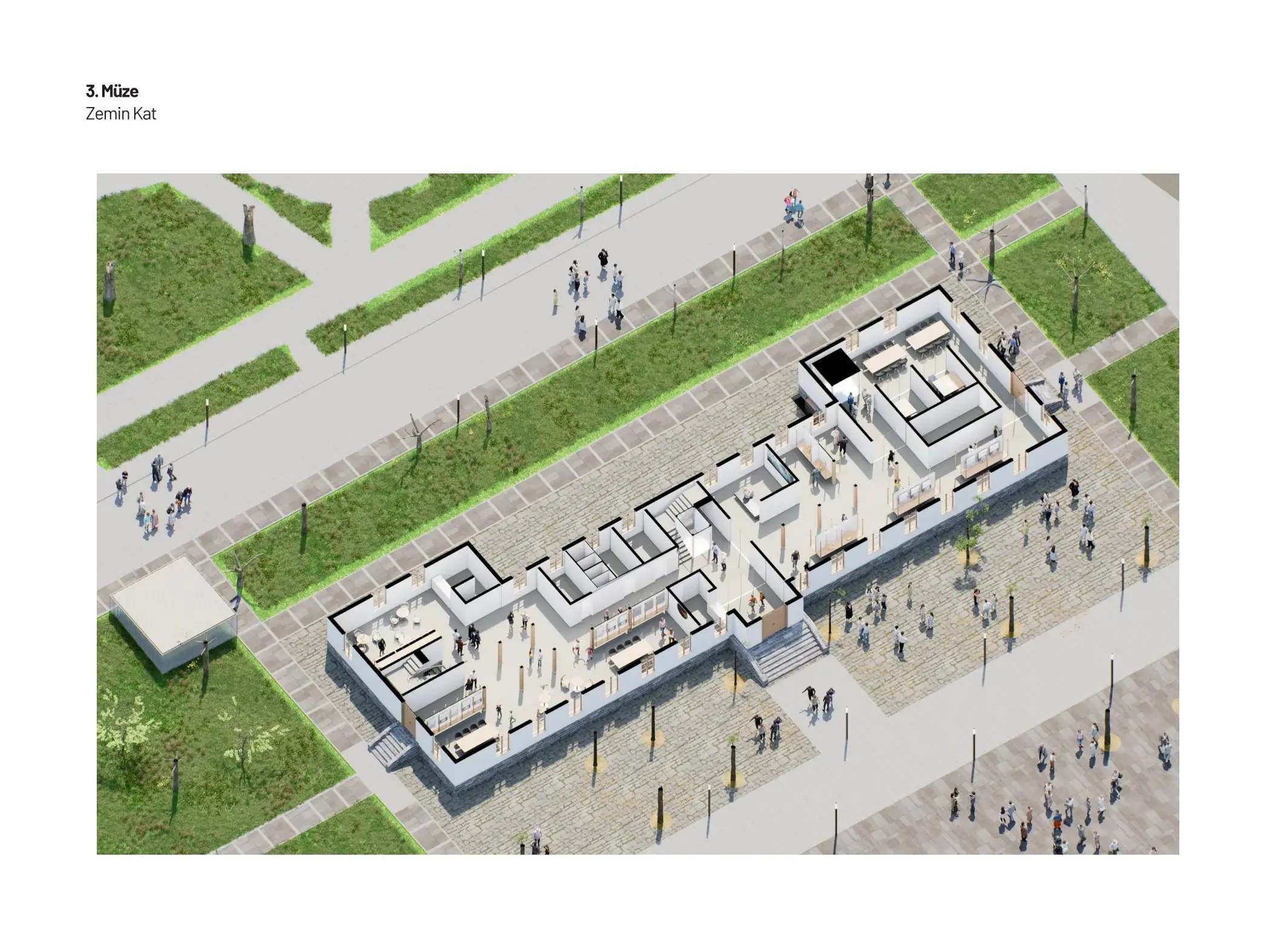
The proposed arrangement for Republic Square seeks to strengthen pedestrian-oriented public continuity. Lightweight timber structures derived from the vineyard post system, together with vine-based vegetative canopies, create a living shading system that enhances climatic comfort within the square. In this way, Erbaa’s production culture becomes an experiential and spatial component of the public realm.
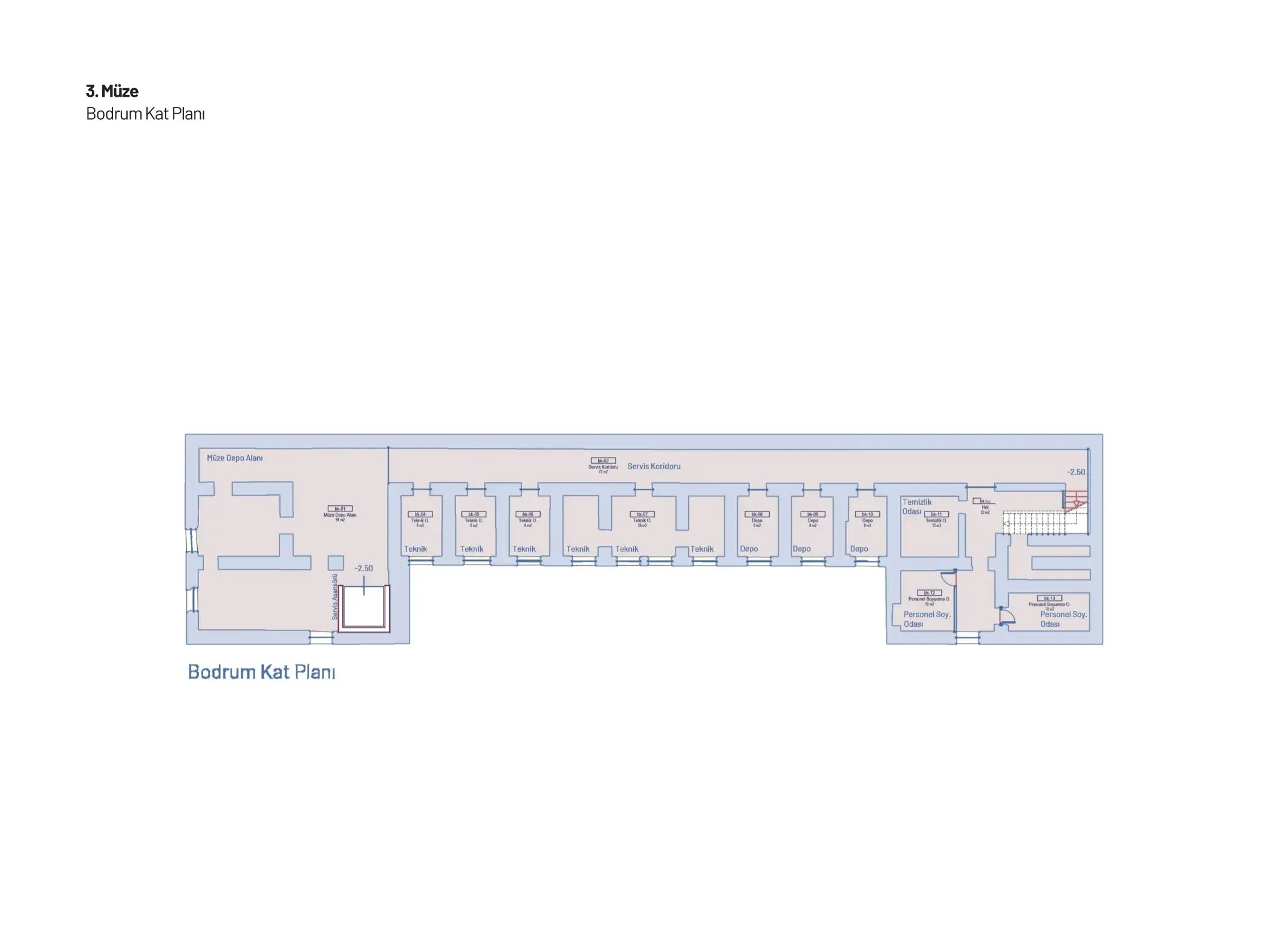
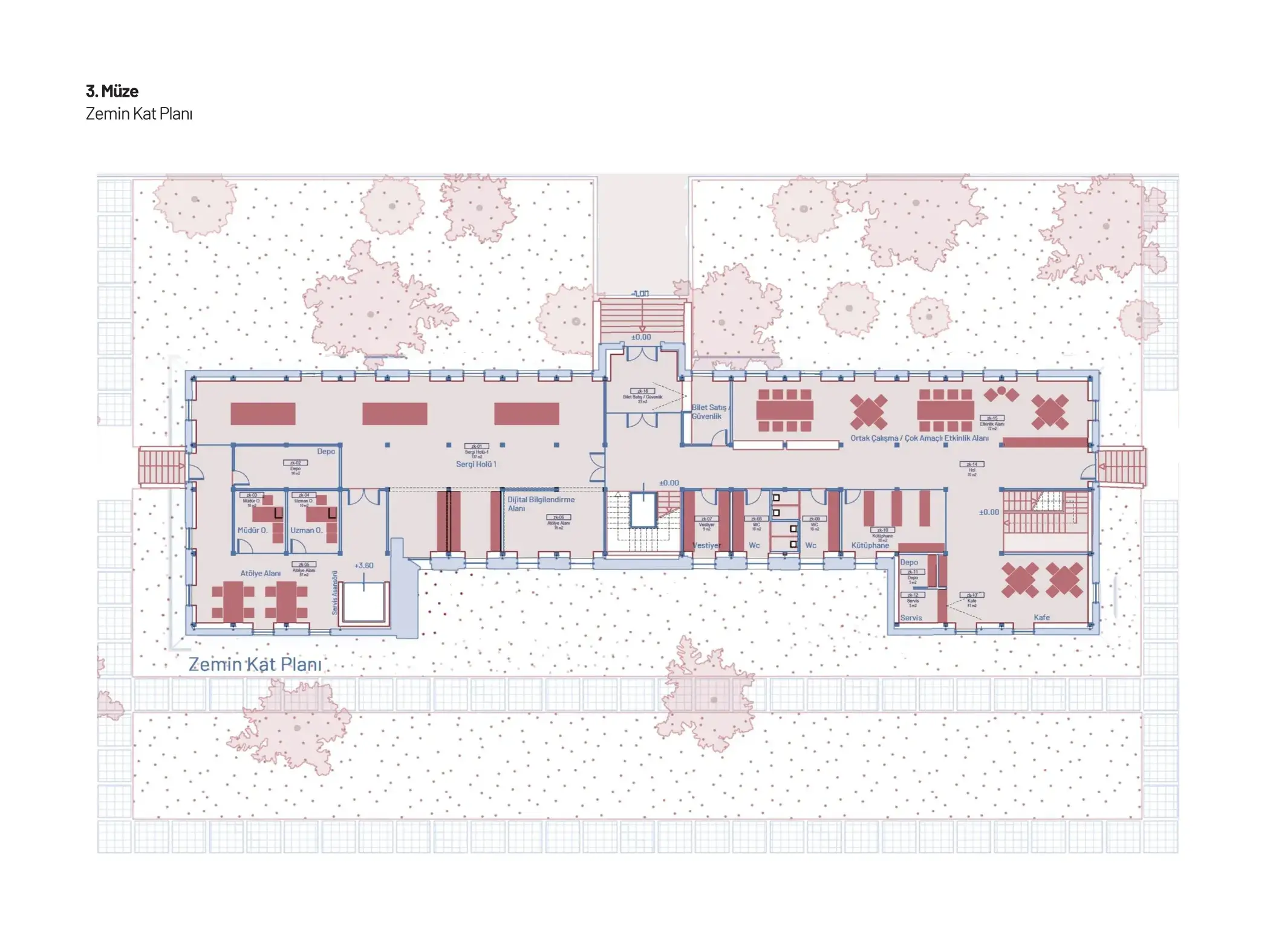
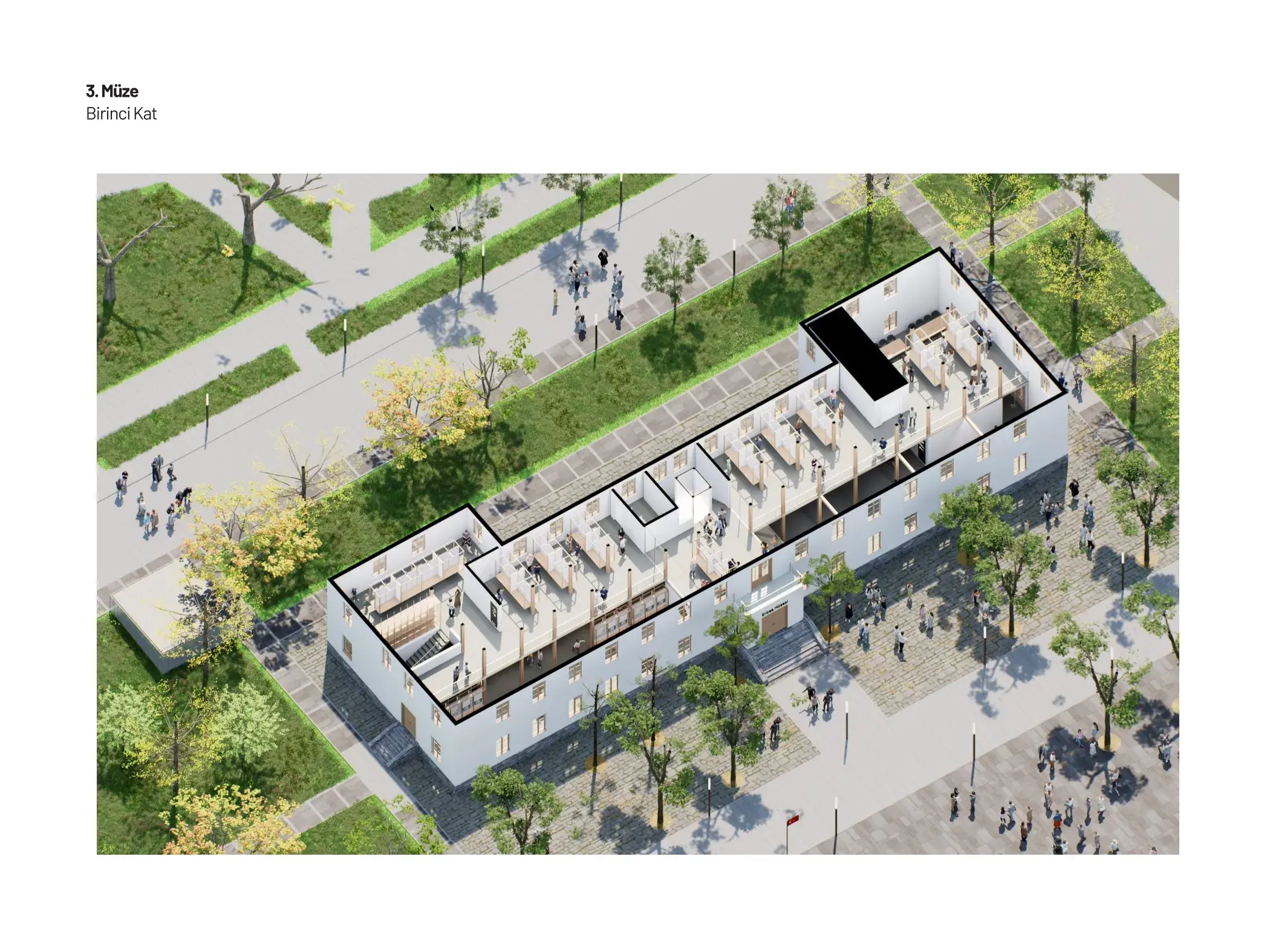
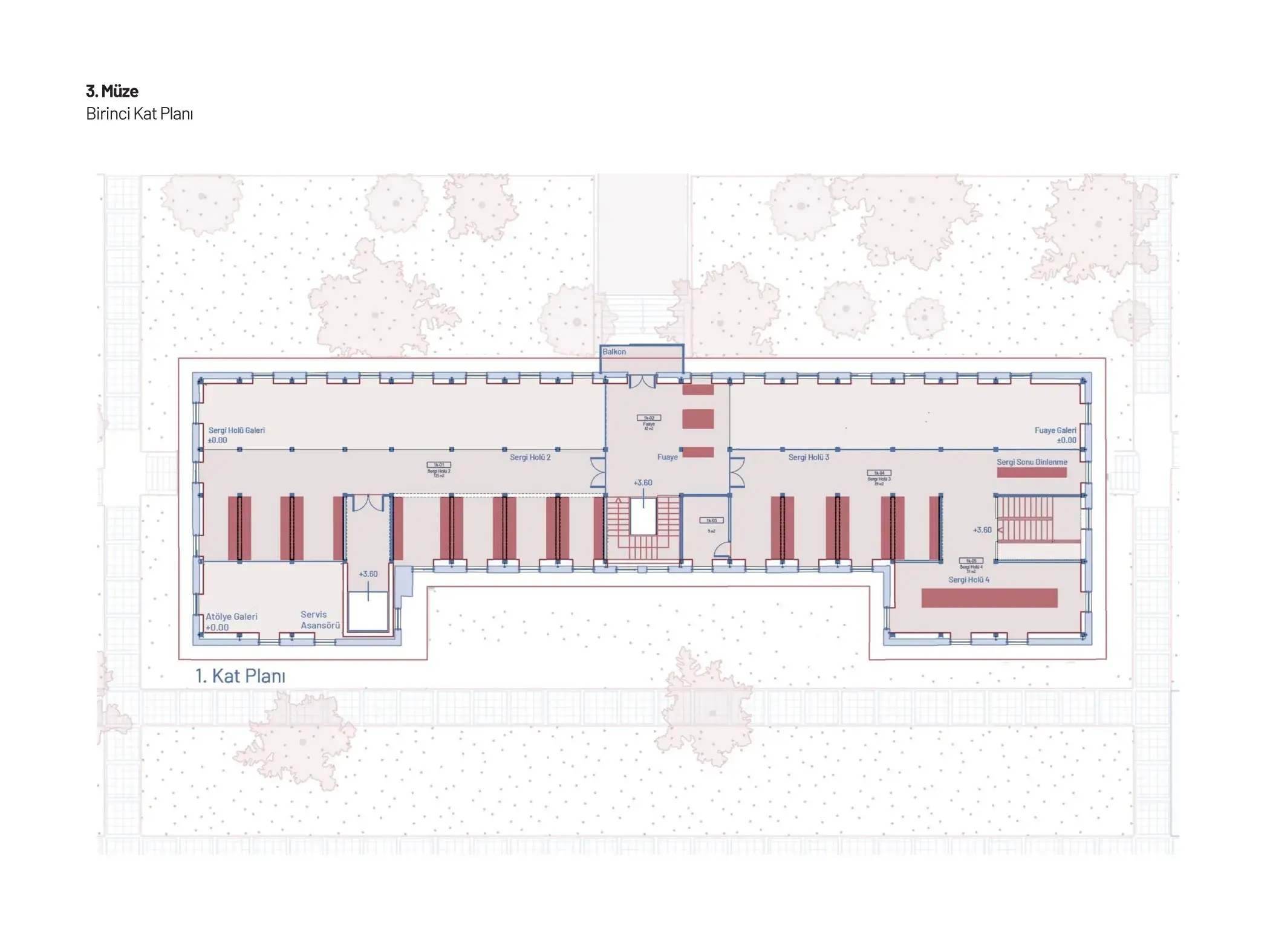
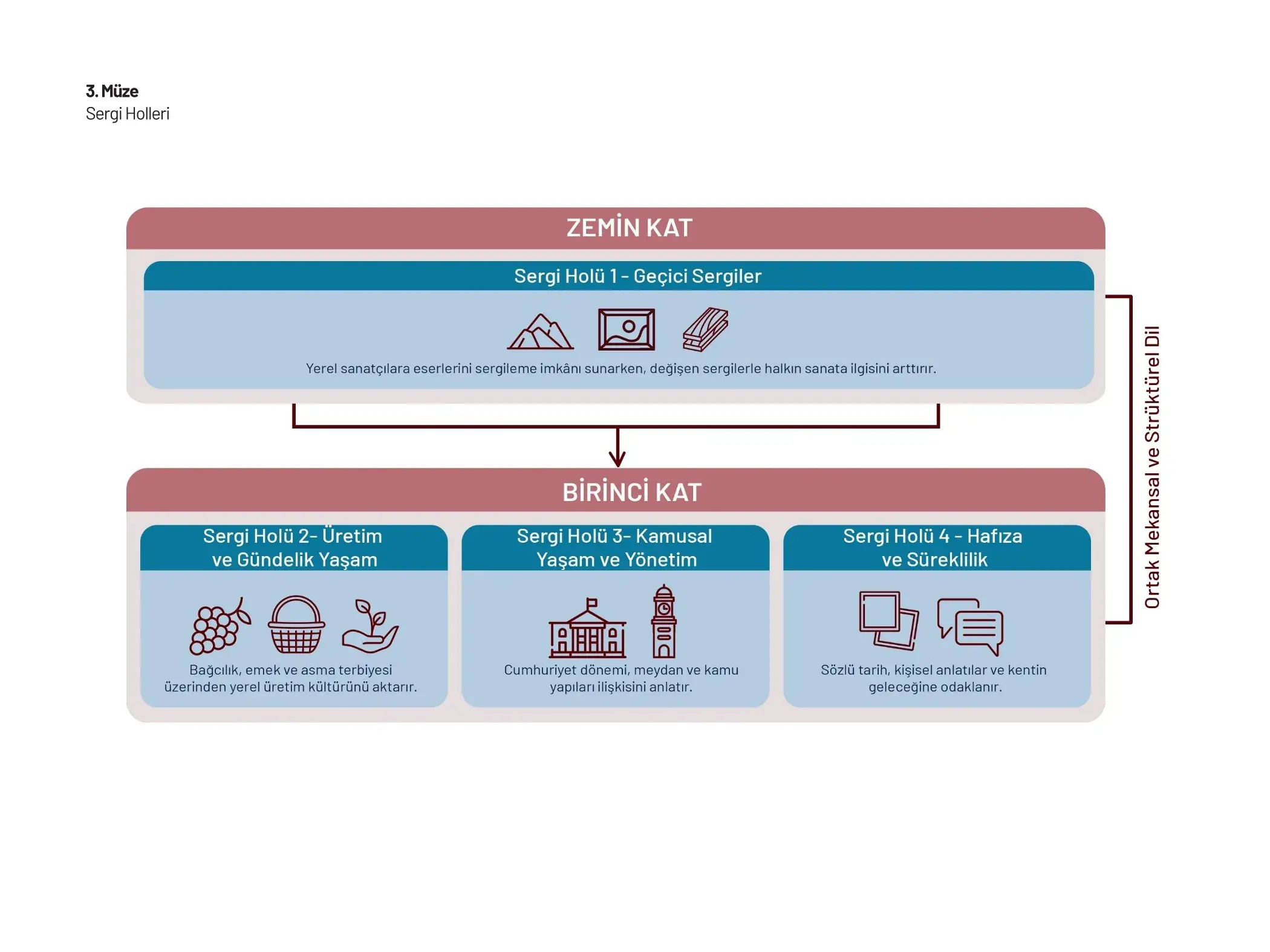
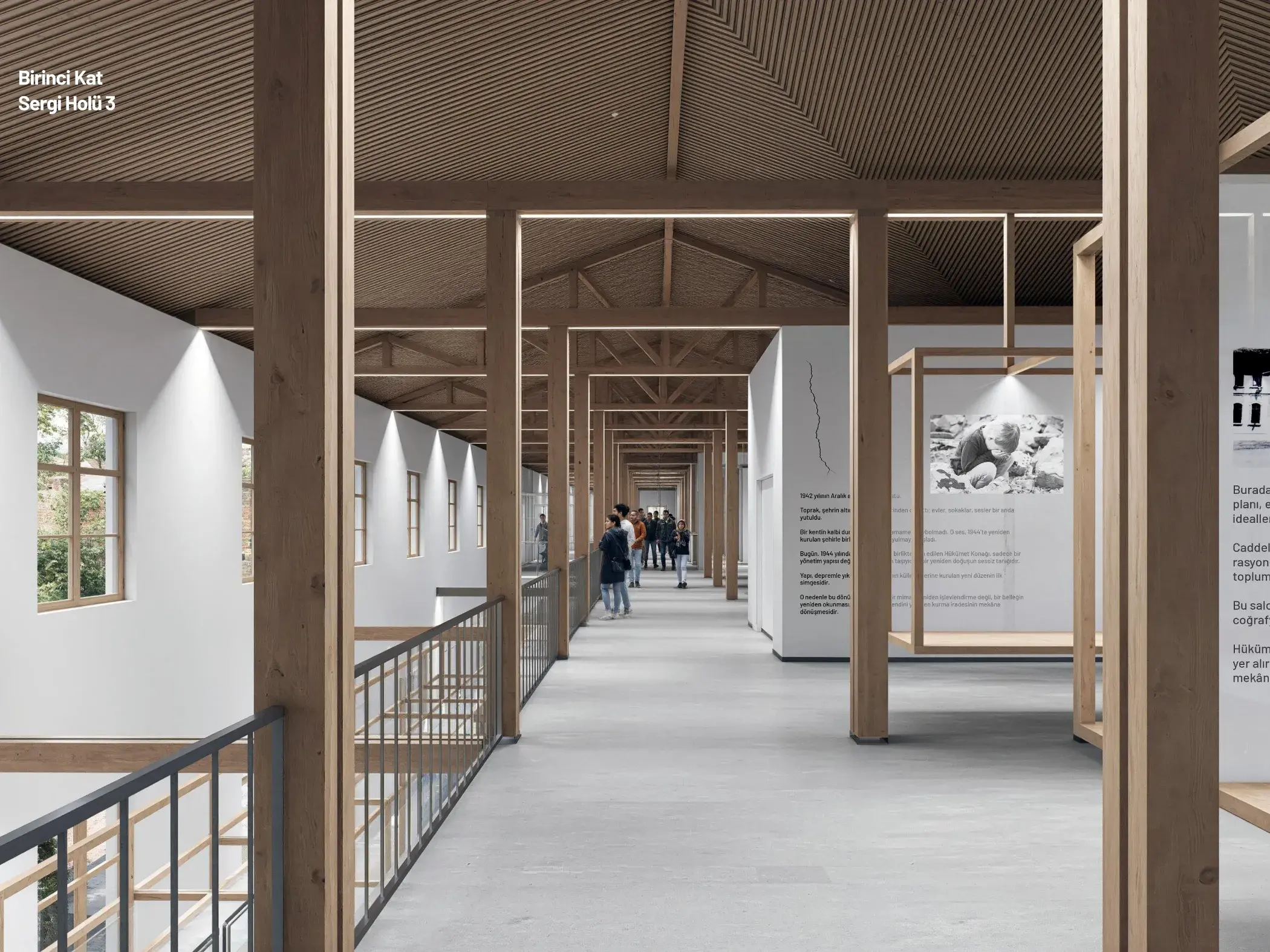
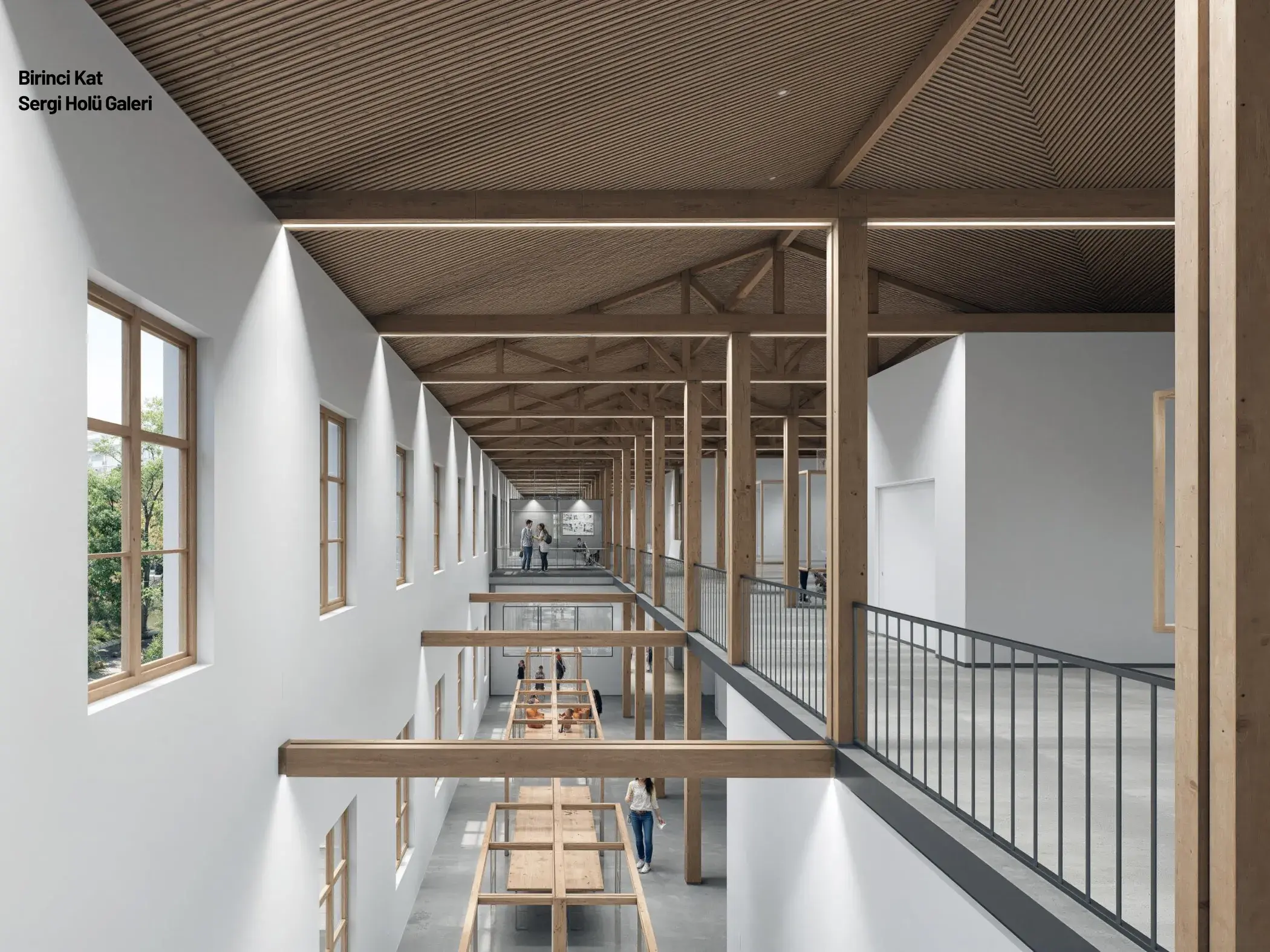
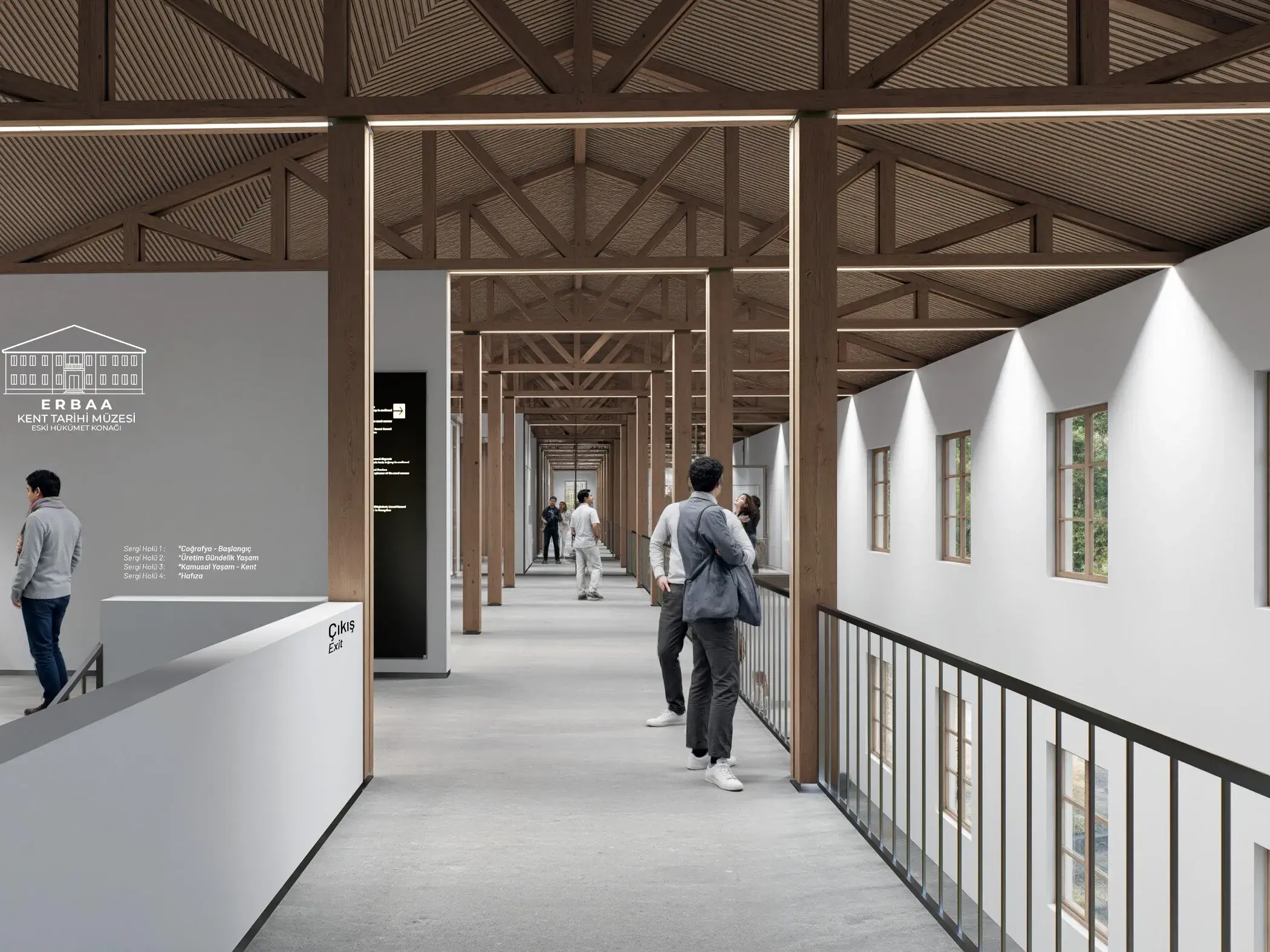
The adaptive reuse of the Old Government Building as the Erbaa City History Museum aims to reintegrate the structure into contemporary public life while preserving its historical continuity. Interventions have been designed through lightweight, demountable, and recyclable exhibition elements in order to protect the building’s original structural system and spatial character. Thus, the building is approached as a living space of collective memory that establishes a dialogue between the past and contemporary urban life.
Project Name
Erbaa City Museum & Republic Square
Awards
_
Services
Urban Design, Architecture, Interior Design
Typology
Cultural
Location
Erbaa, Tokat, Turkiye
Year
2026
Status
Ongoing
Size
1.560 m²
Client
Union of Historical Towns
Design Team
Sıddık Güvendi, Cihan Sevindik, Aleyna Alan, İrem Efe Babacan, Sümeyye Özyalçın
Collaborators
–
Photography
–